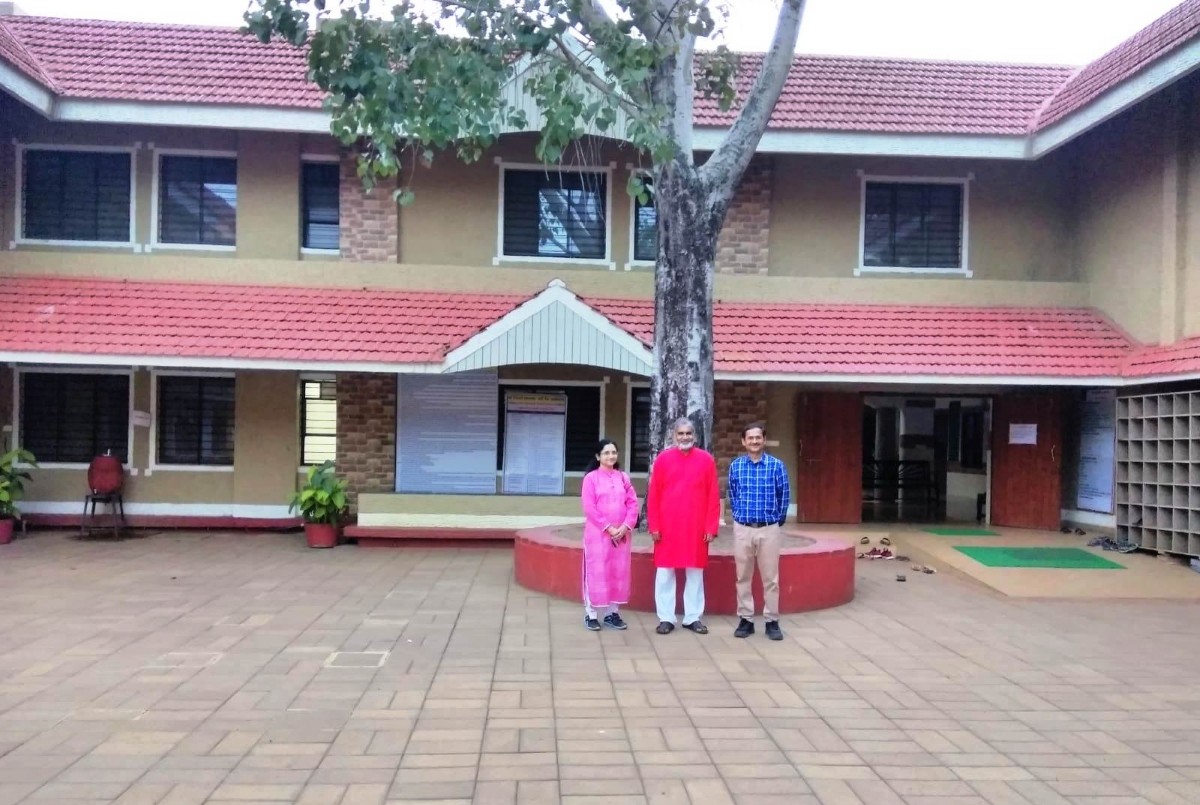
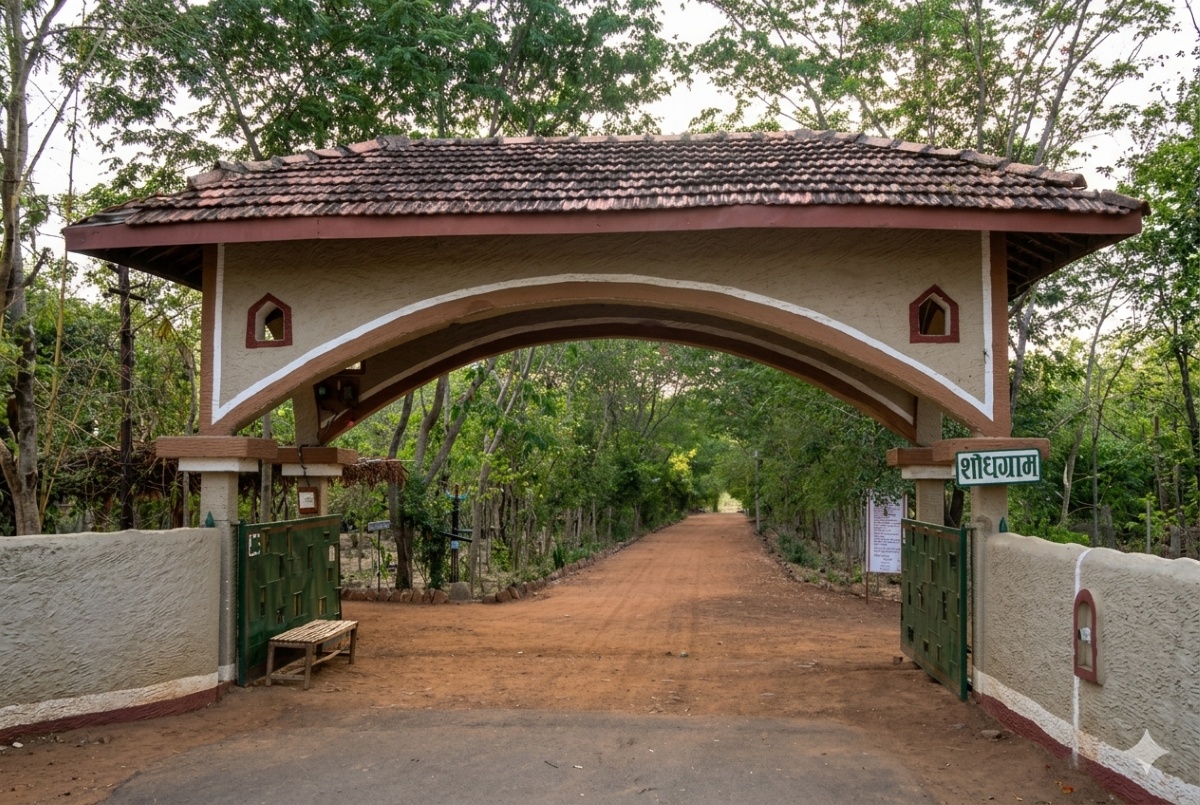
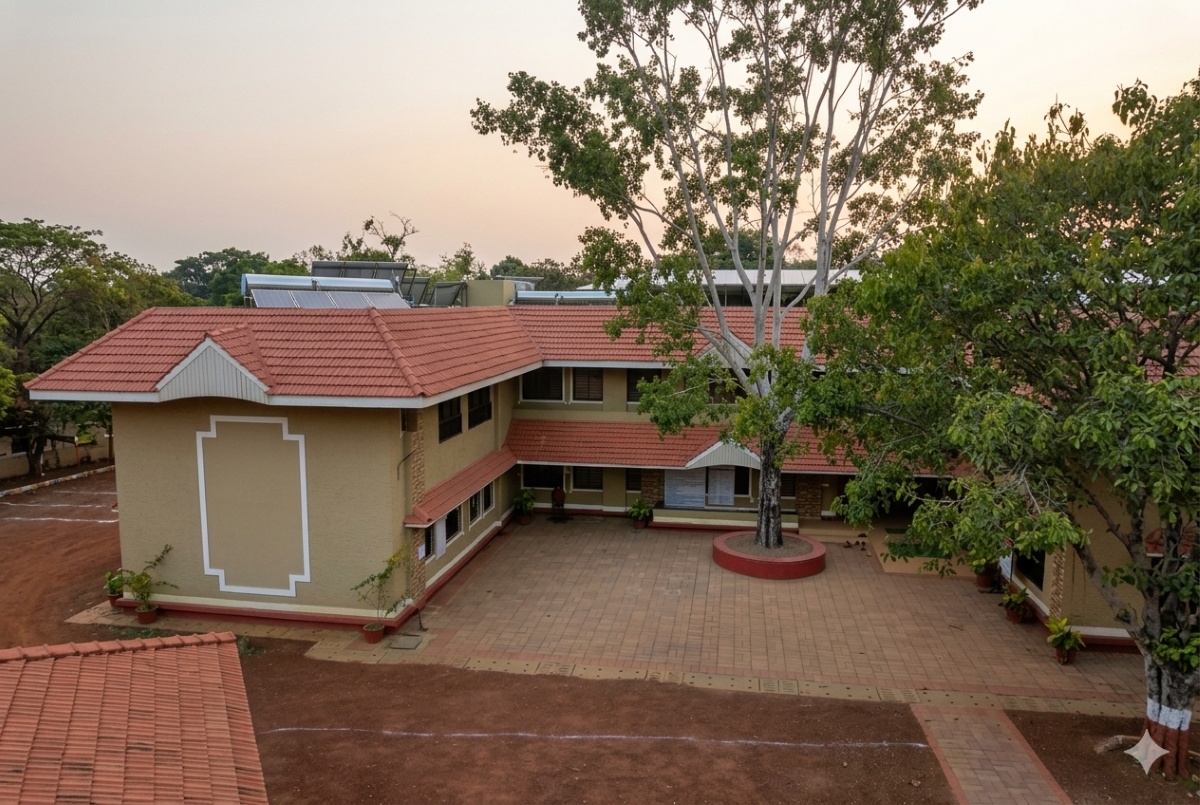
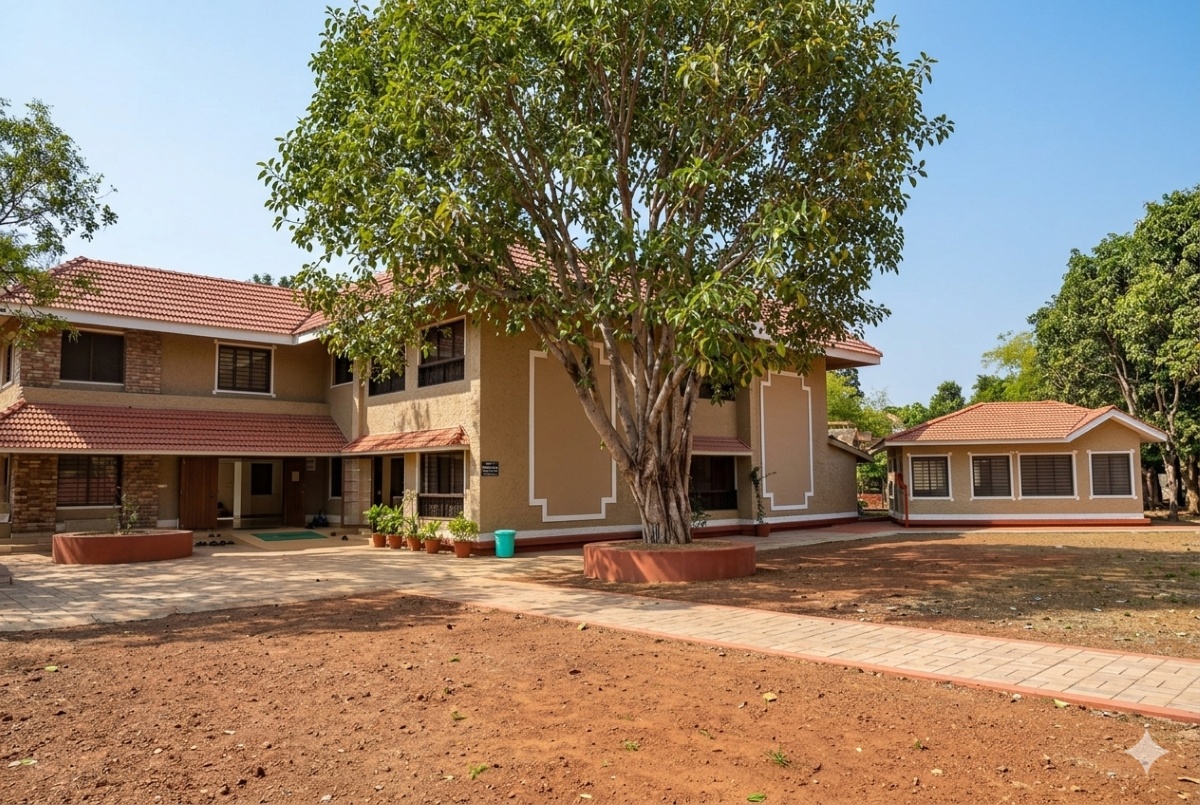
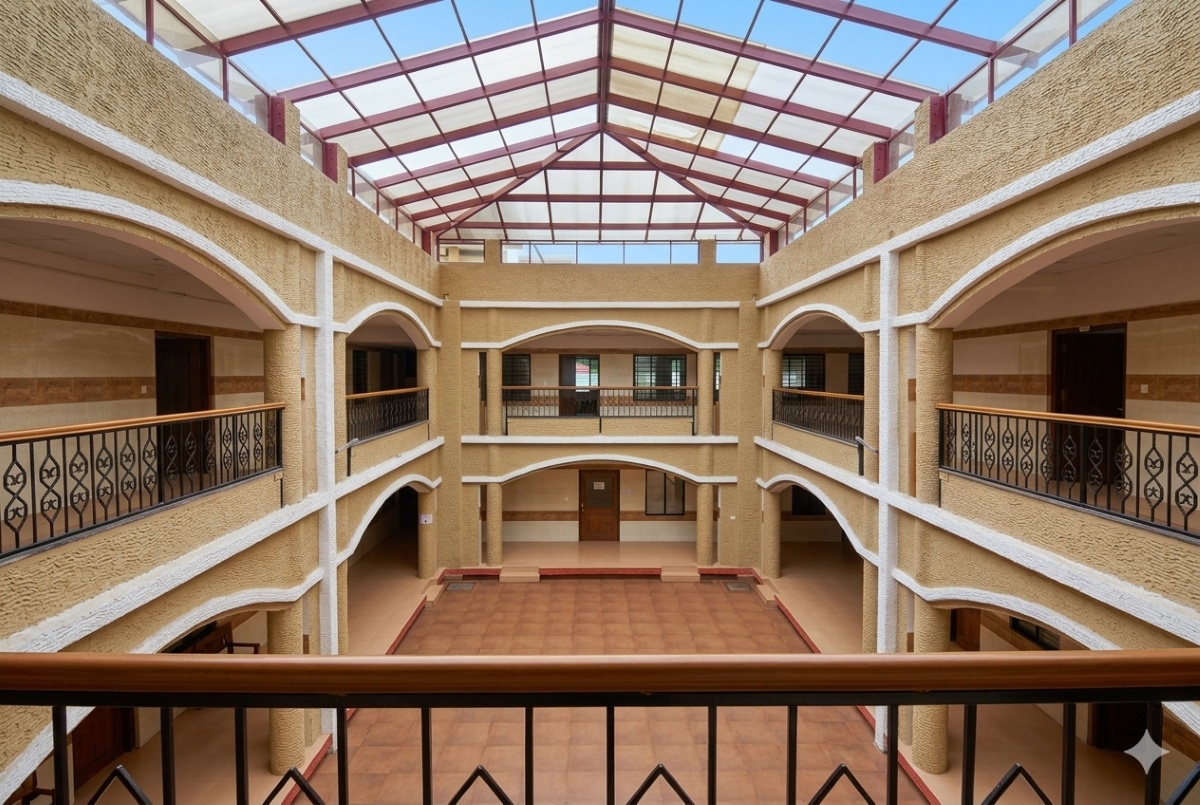
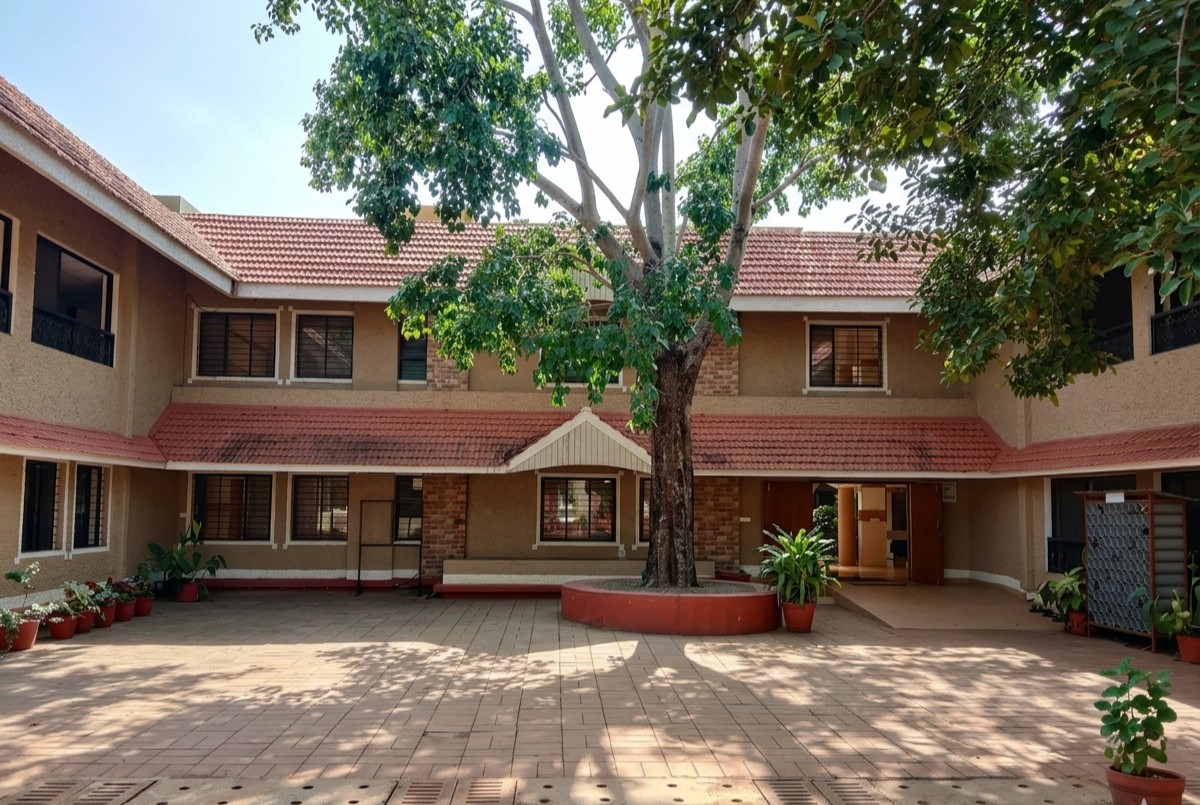
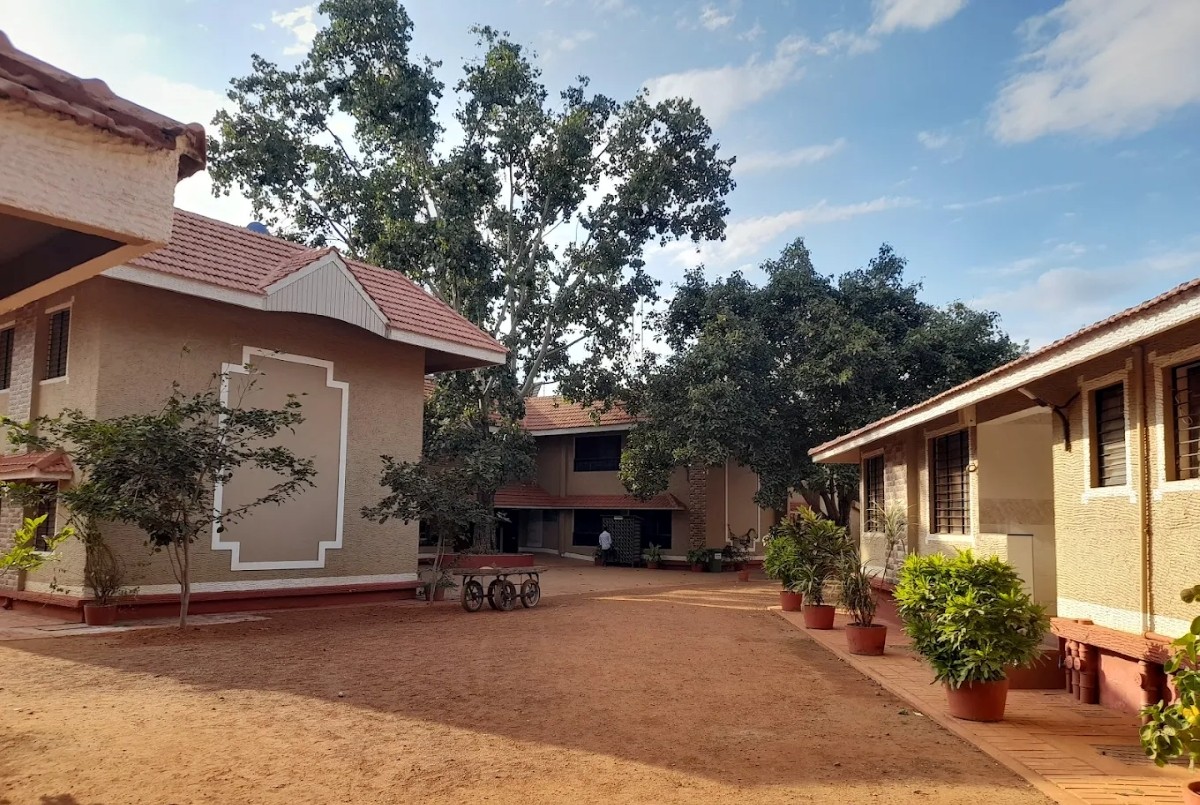
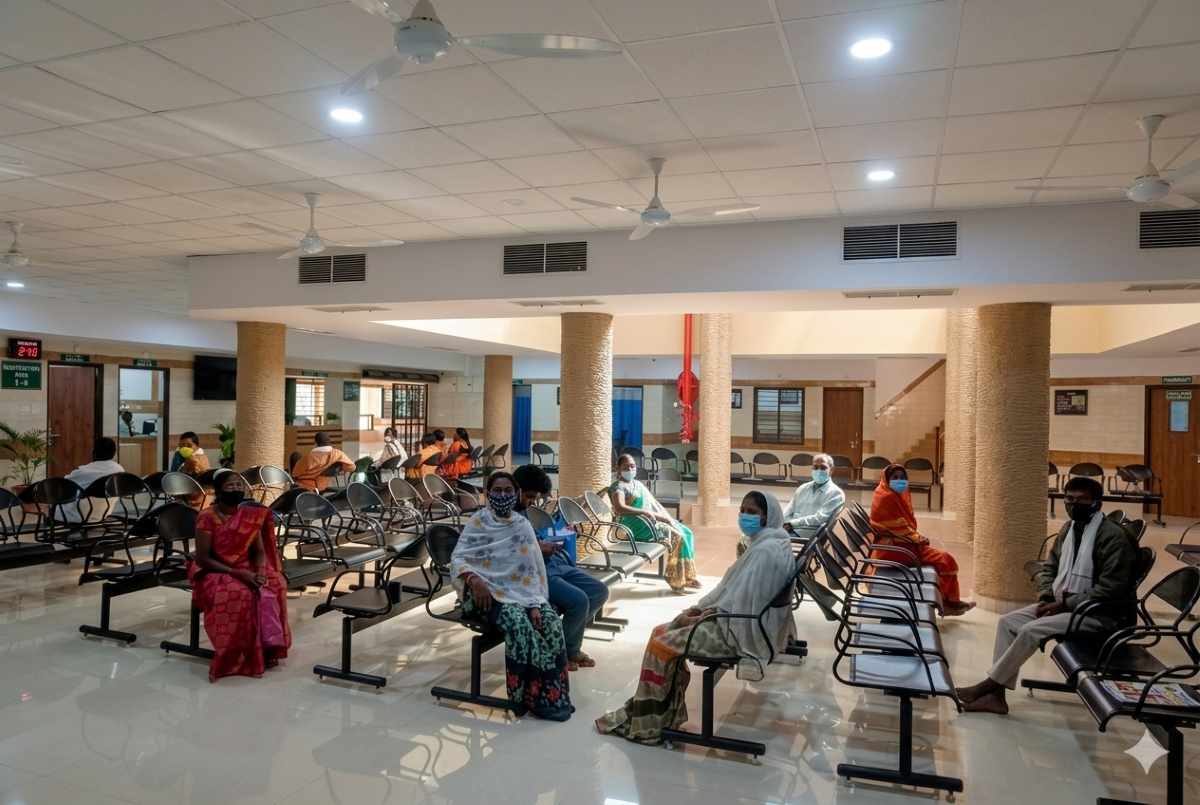
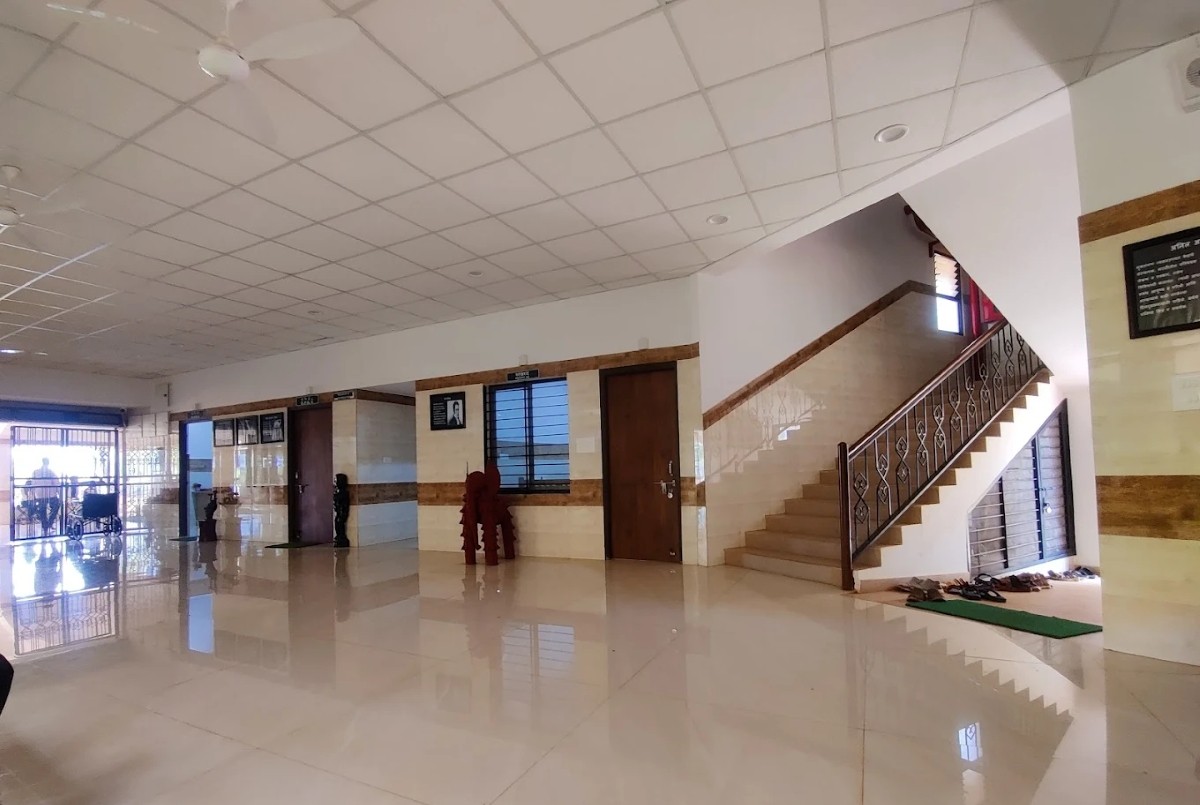
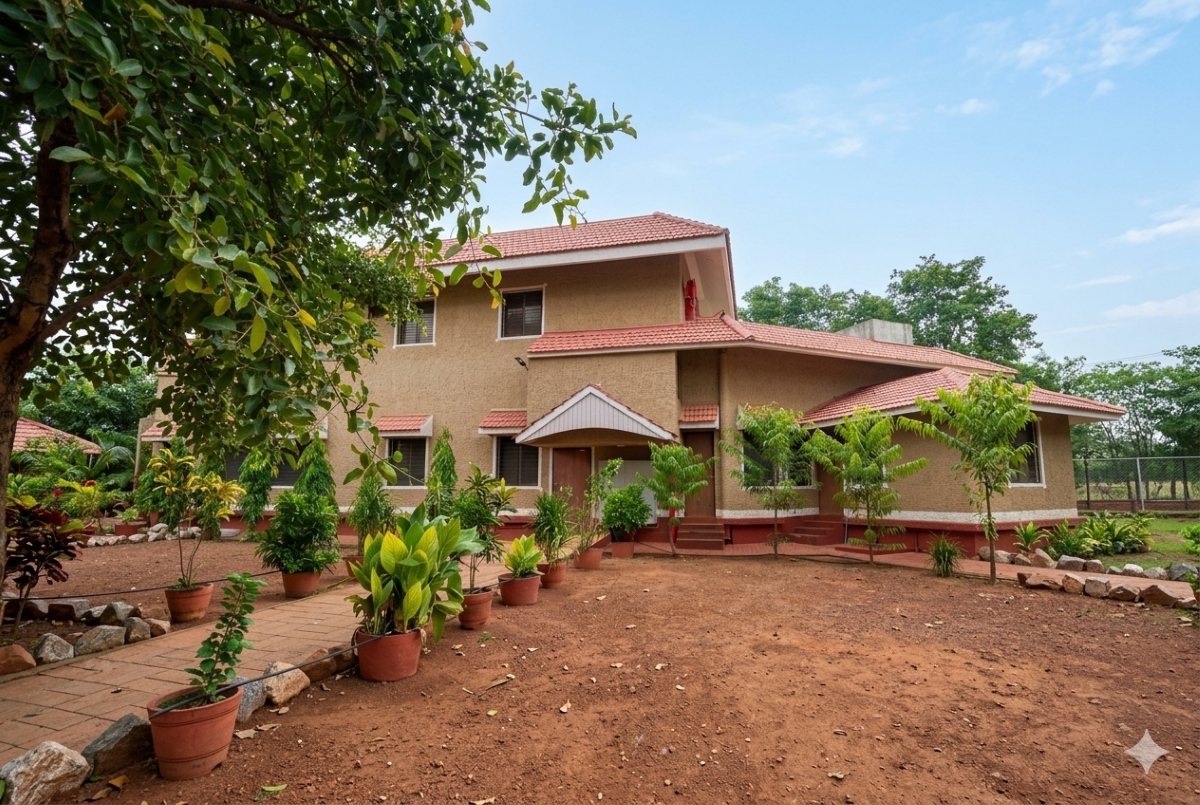
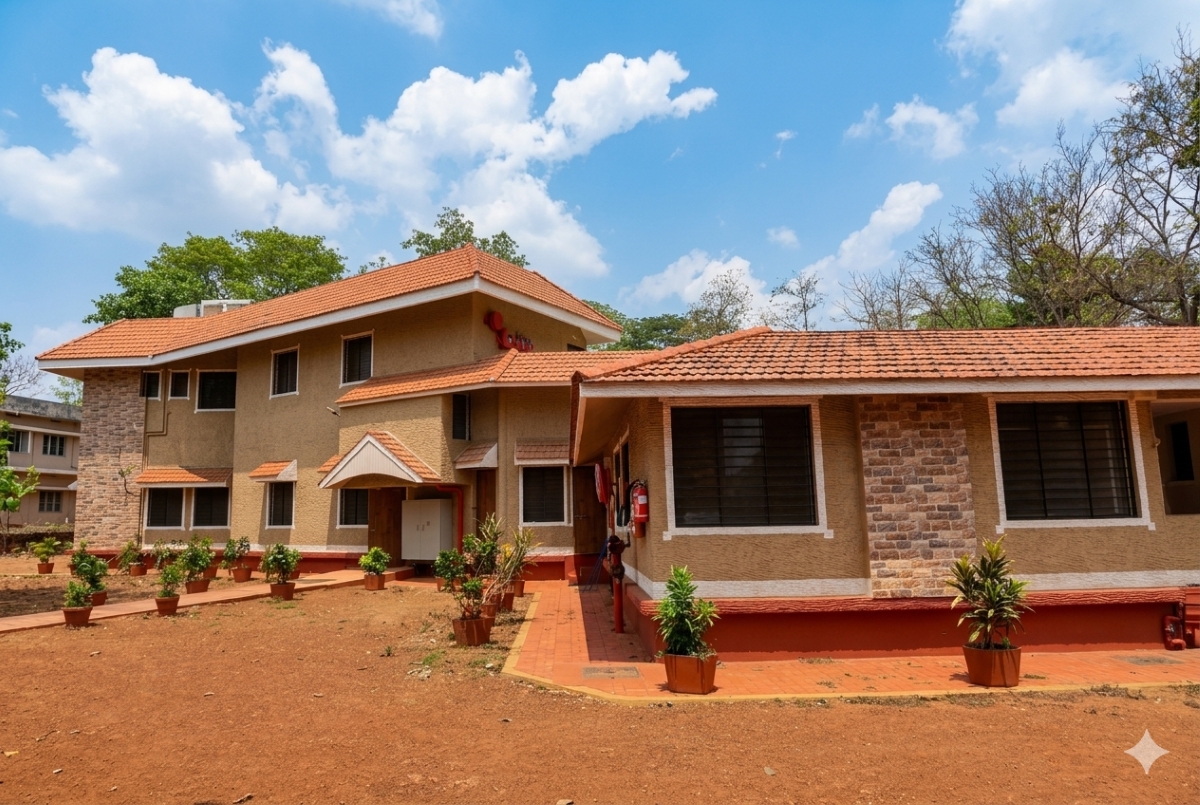
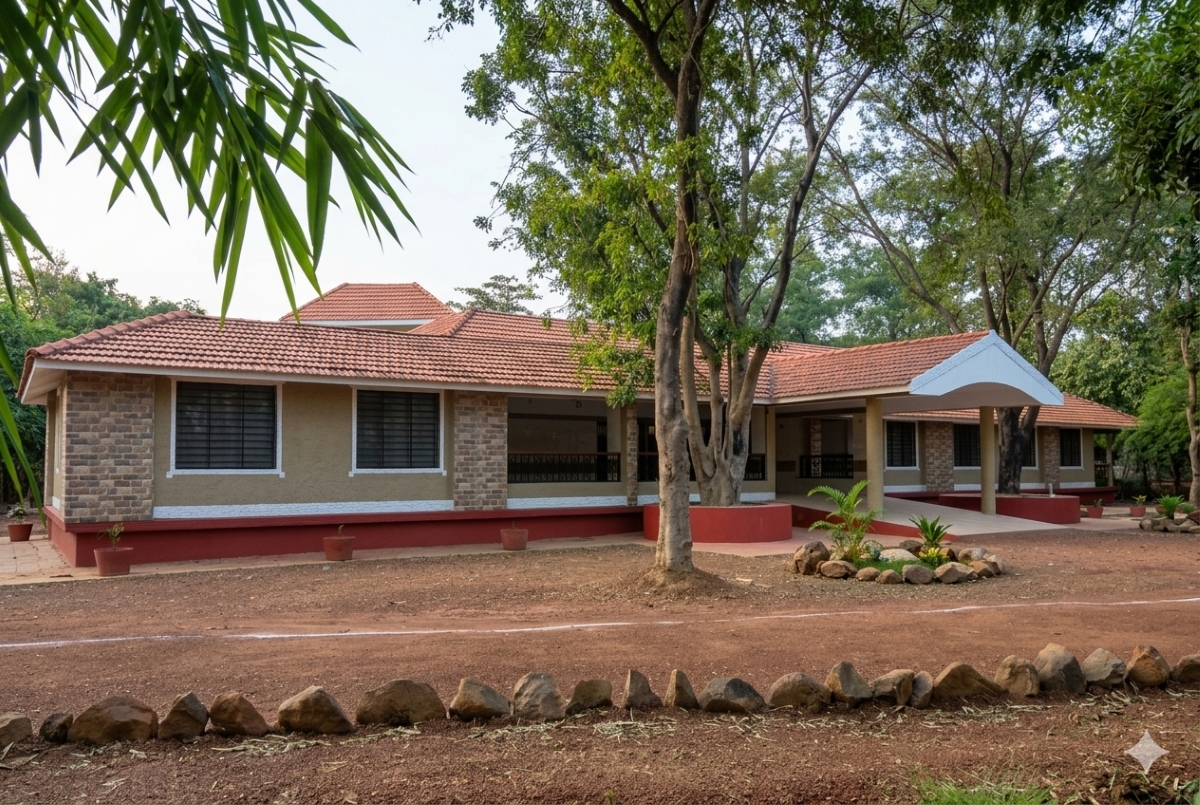
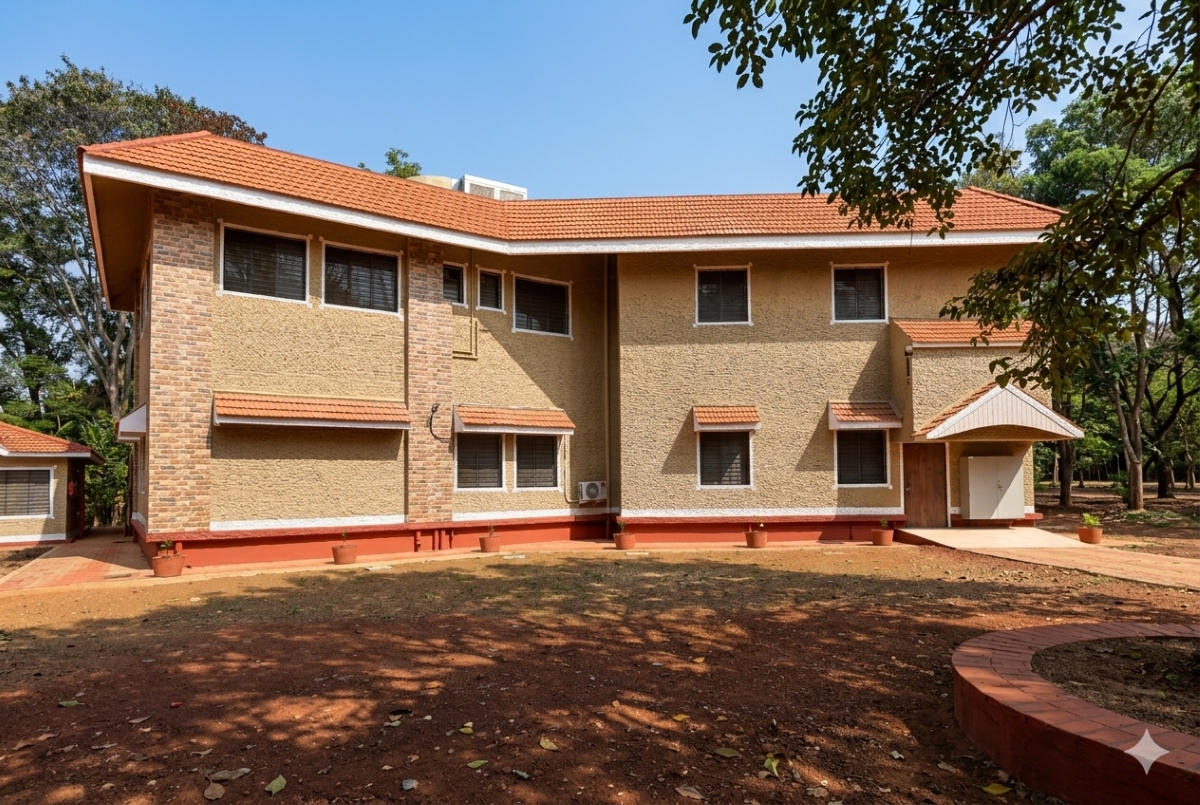
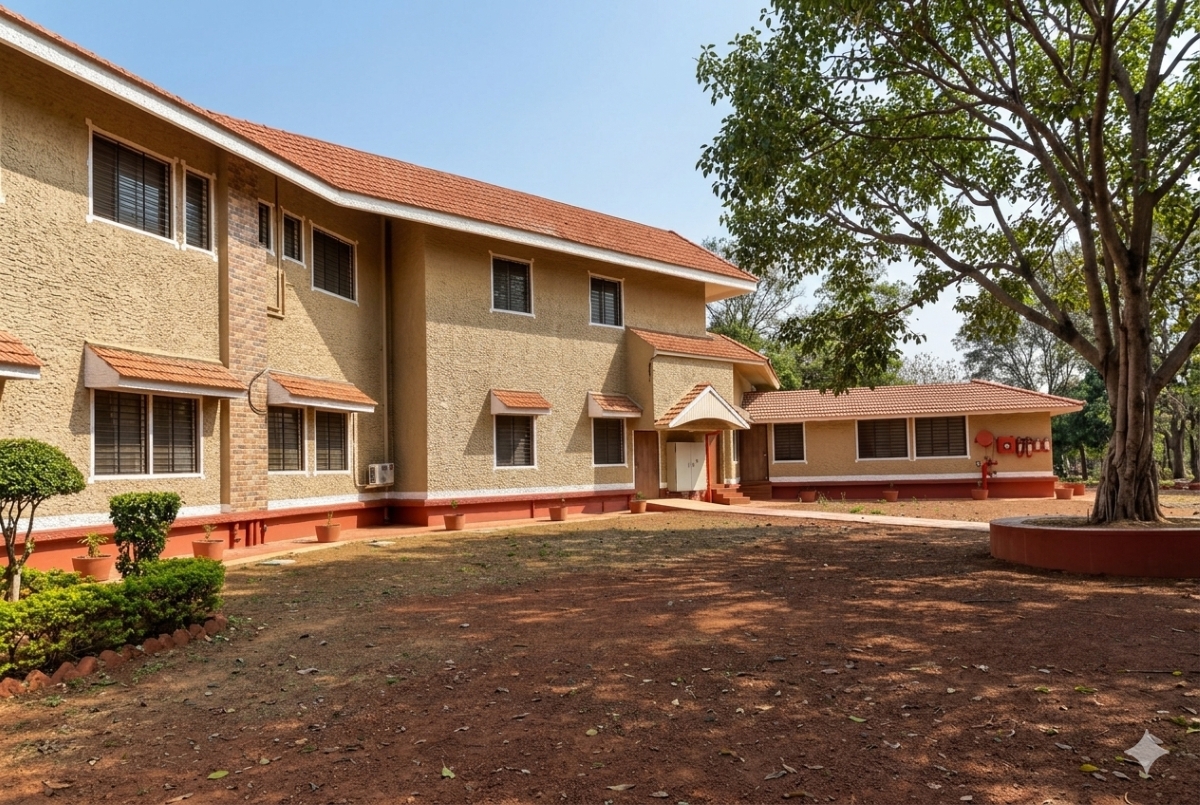
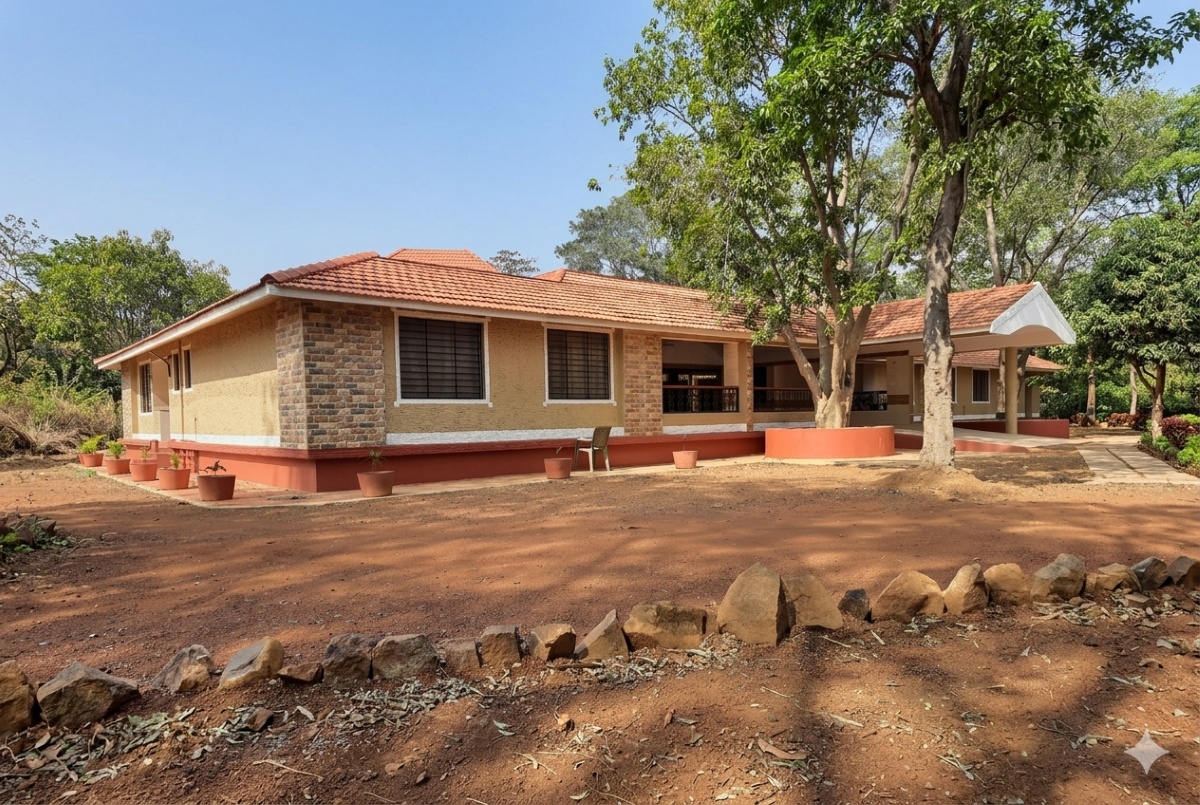
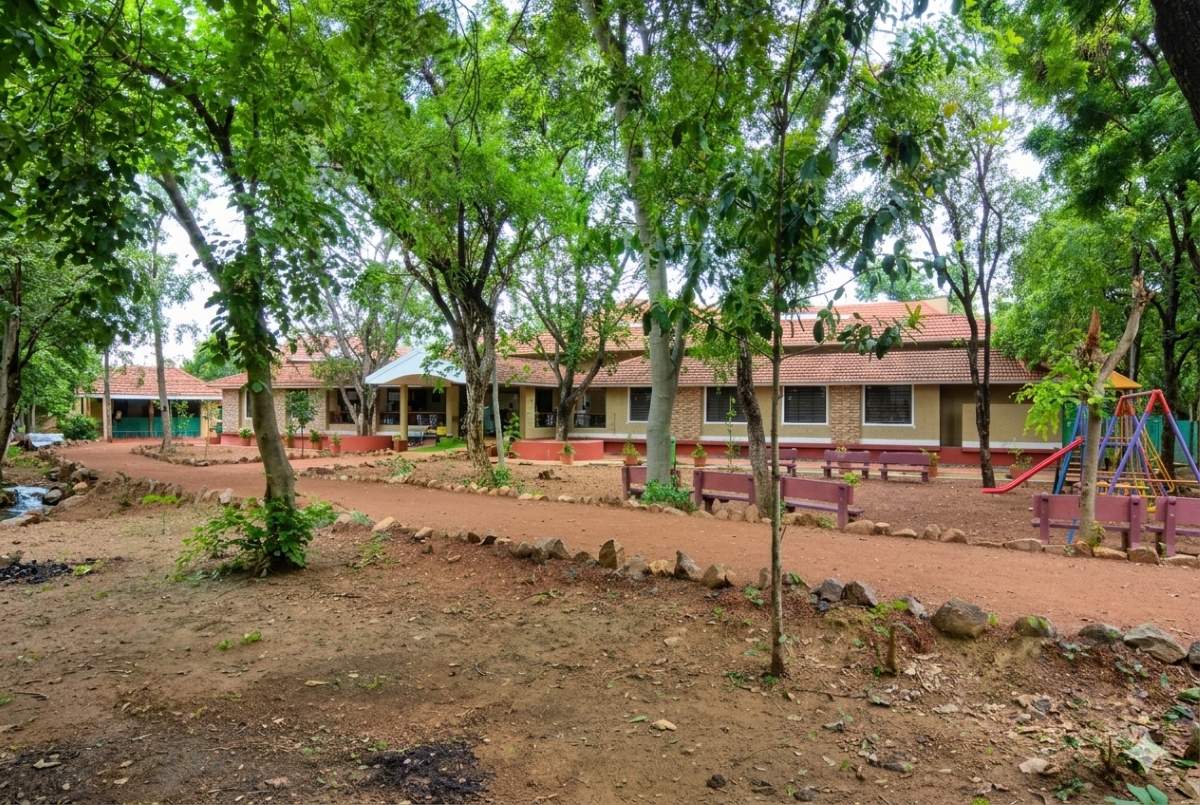
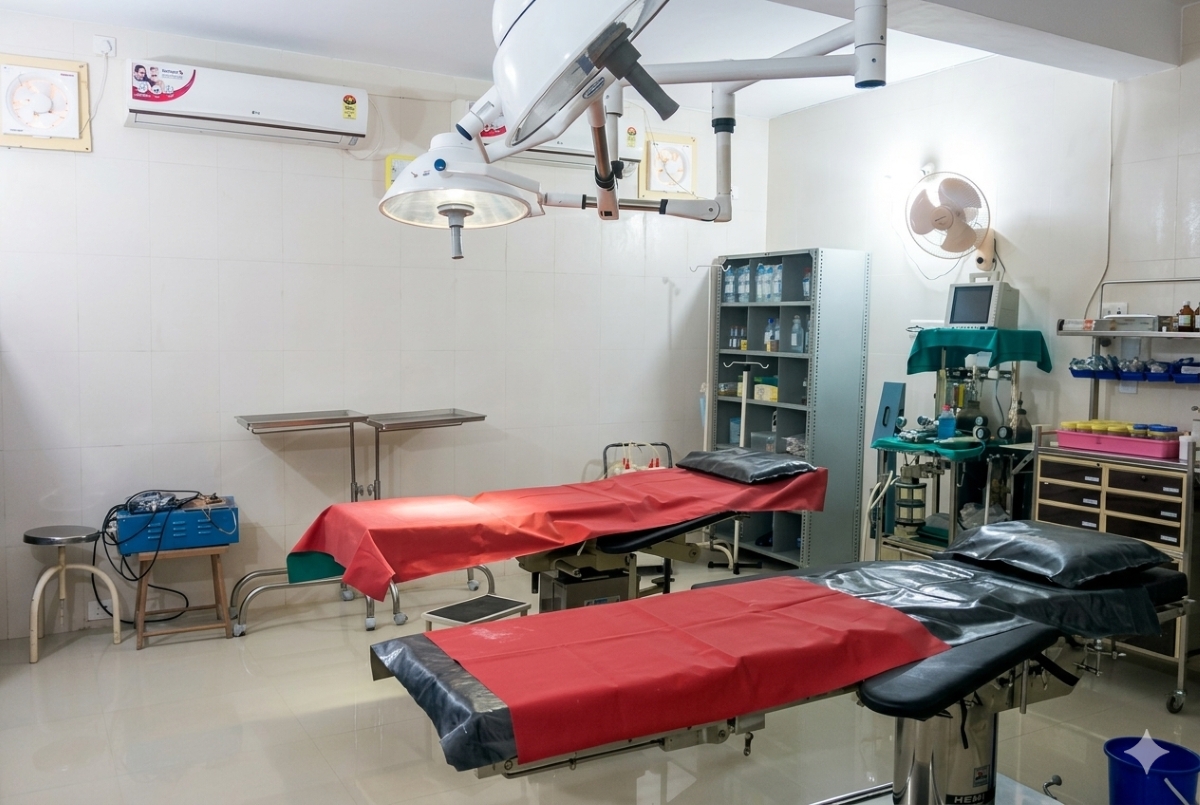
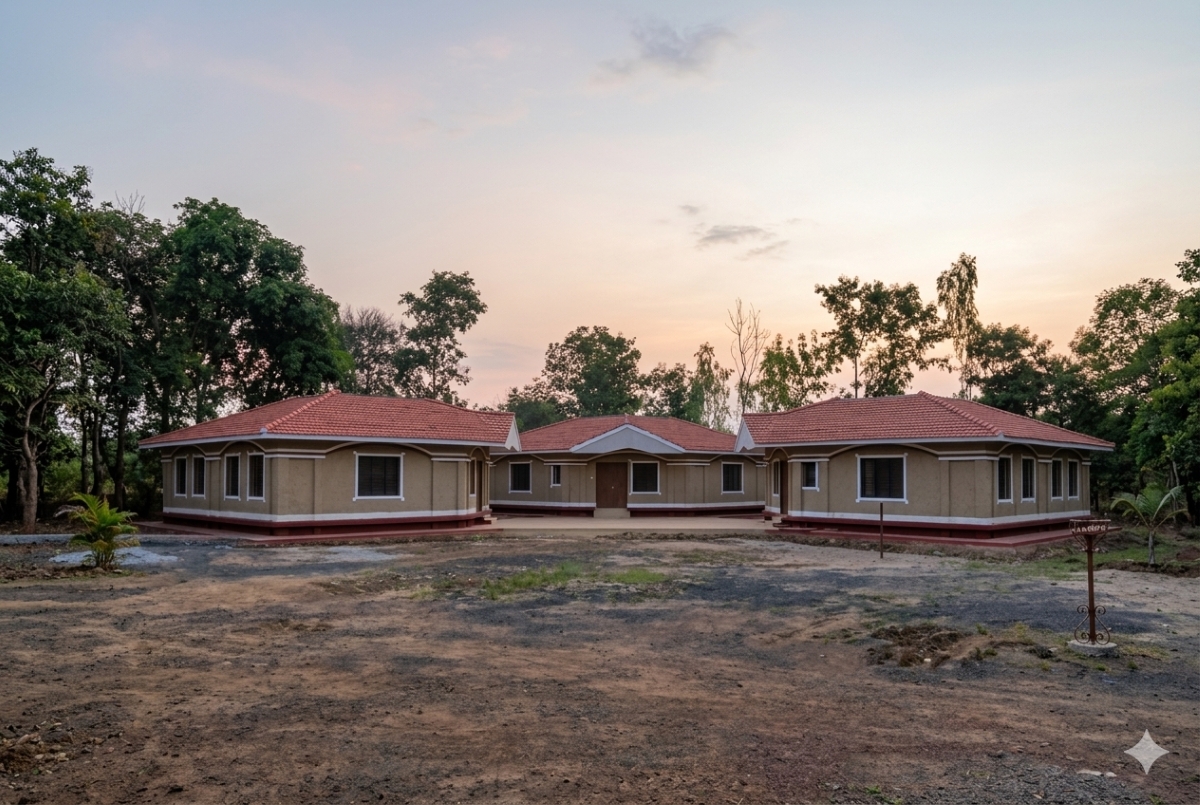
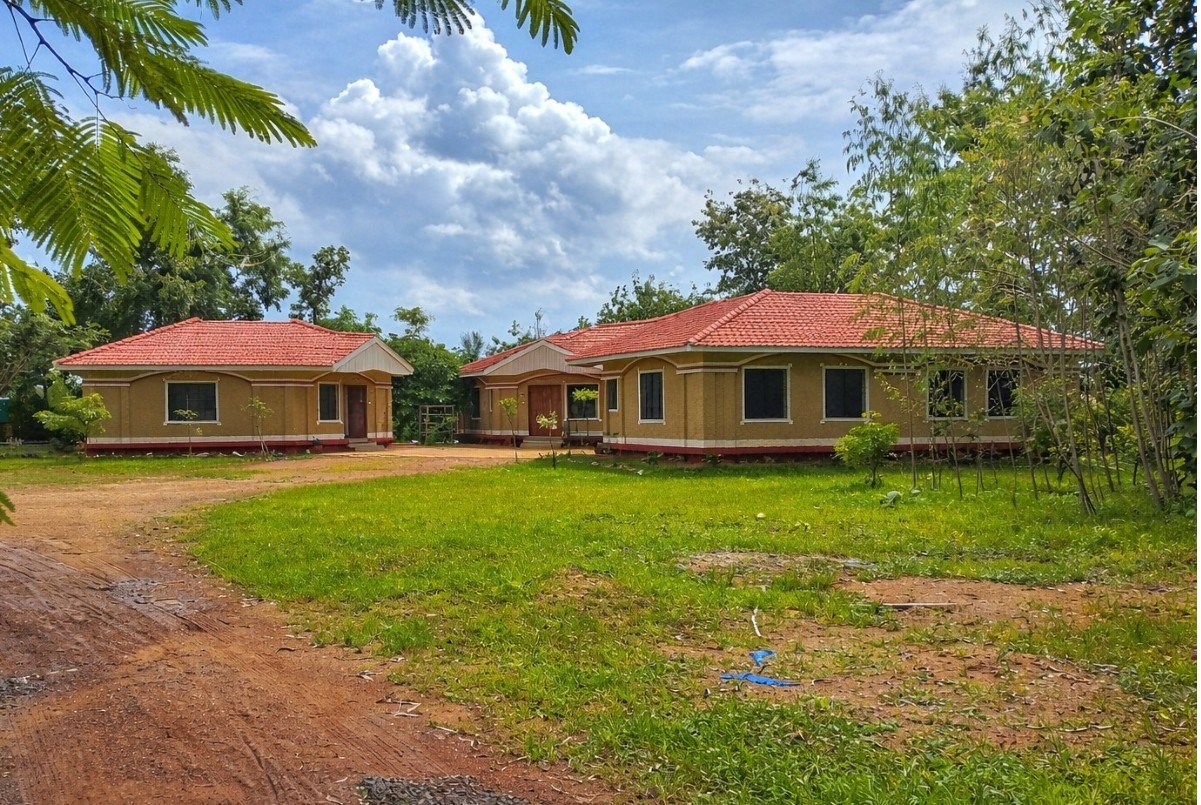
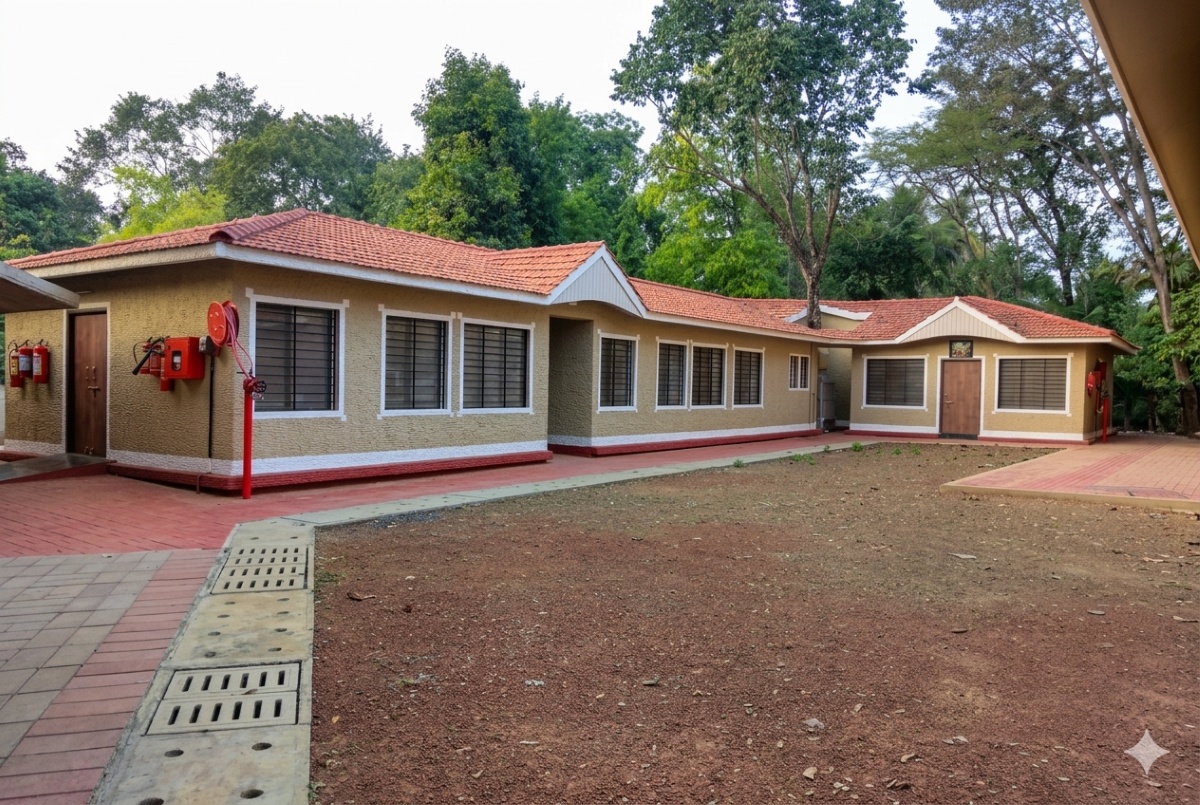
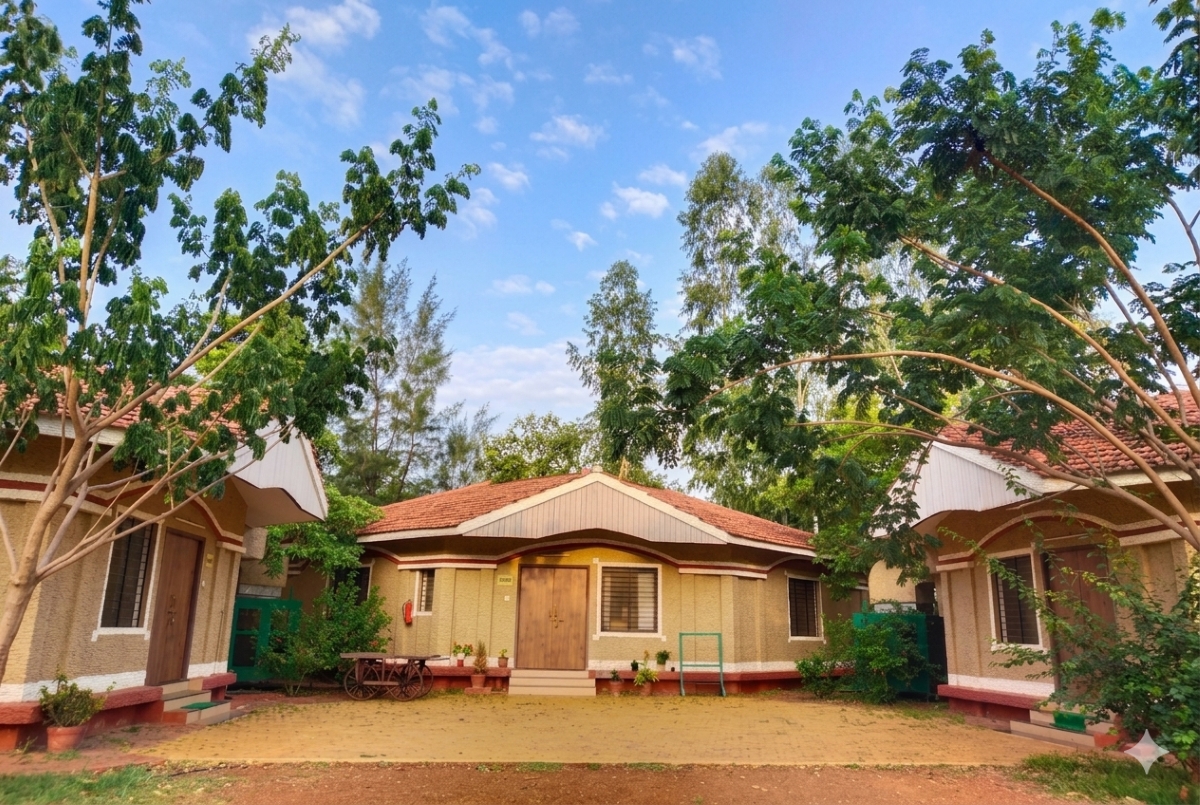
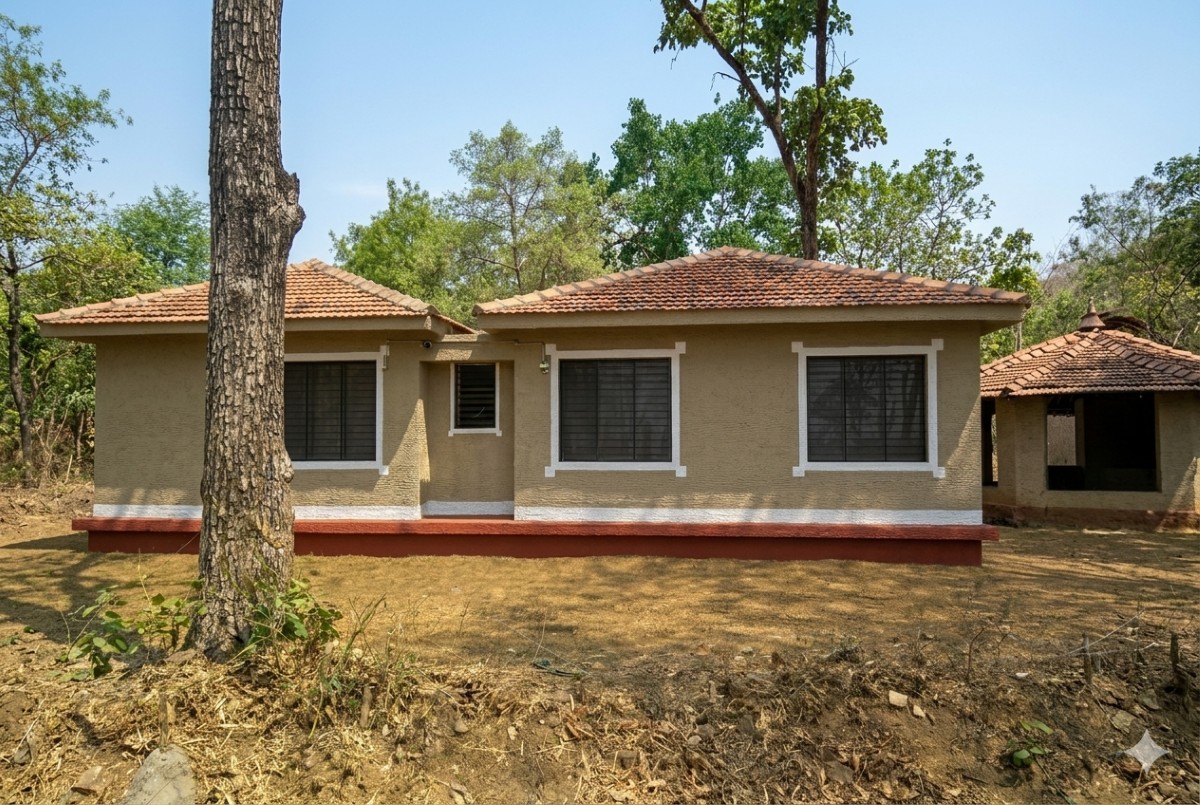
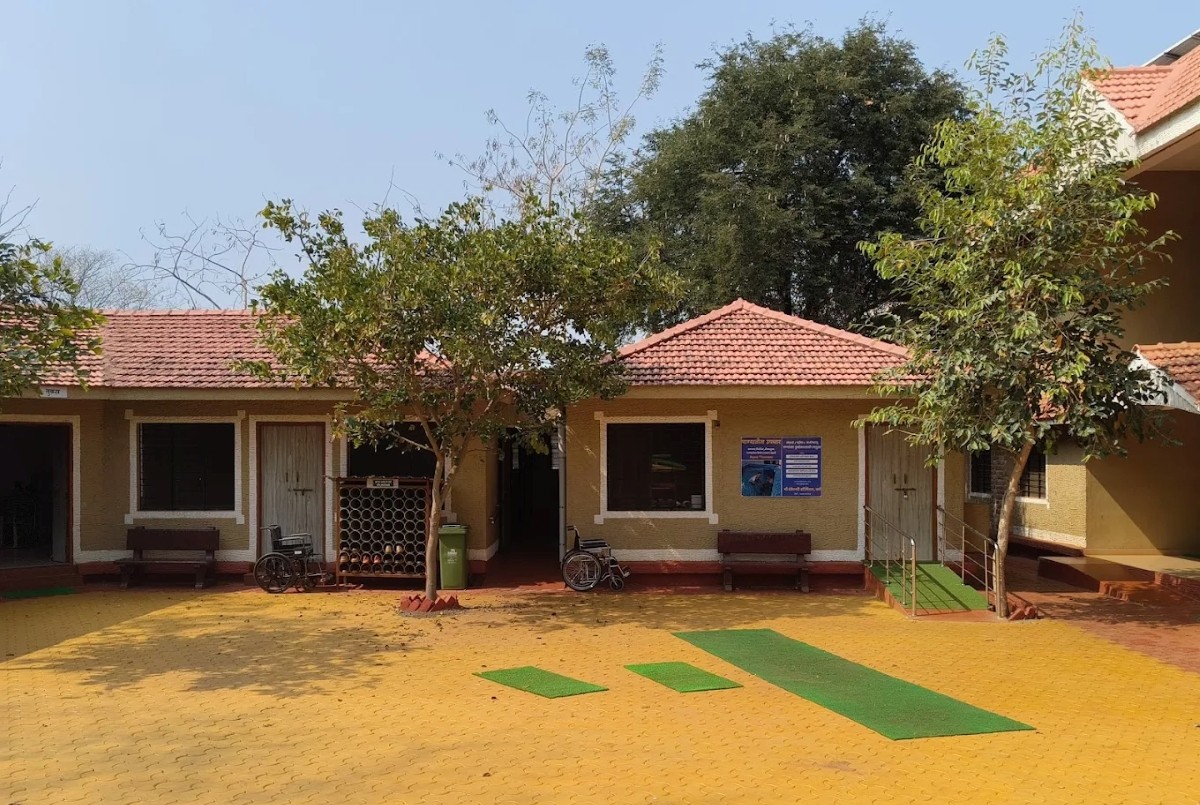
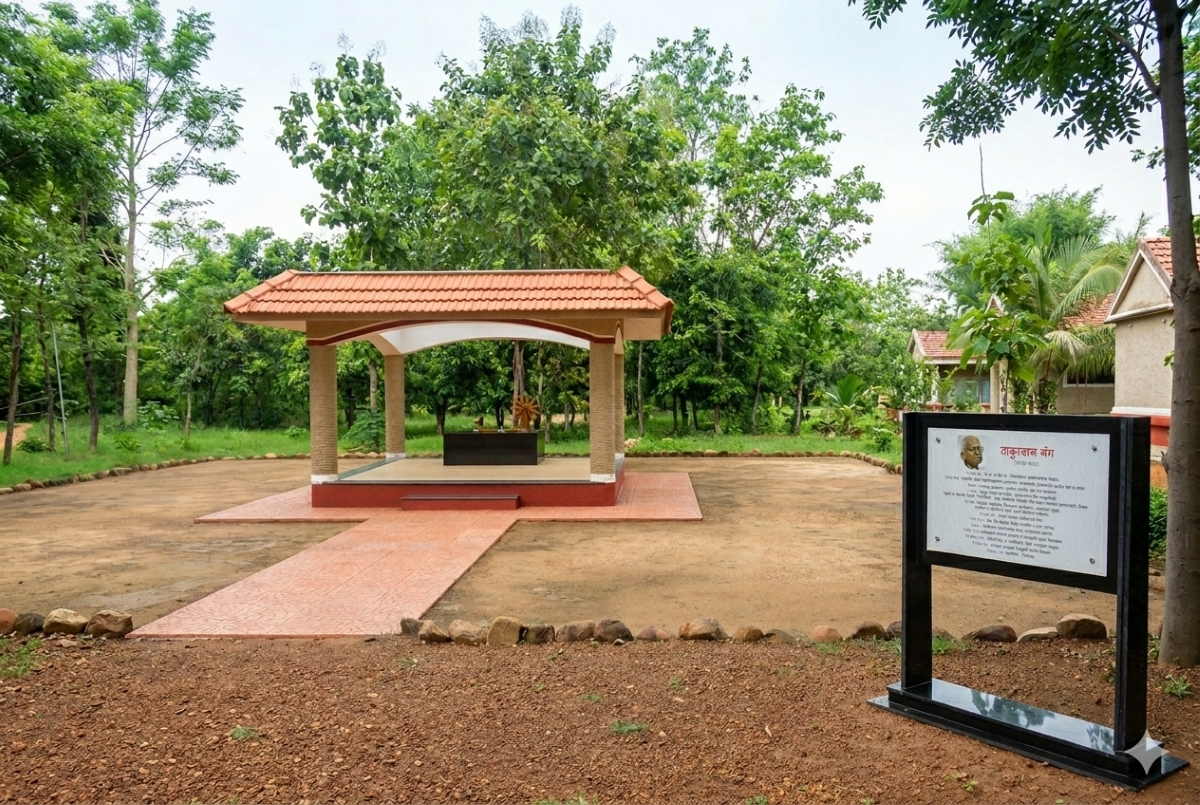
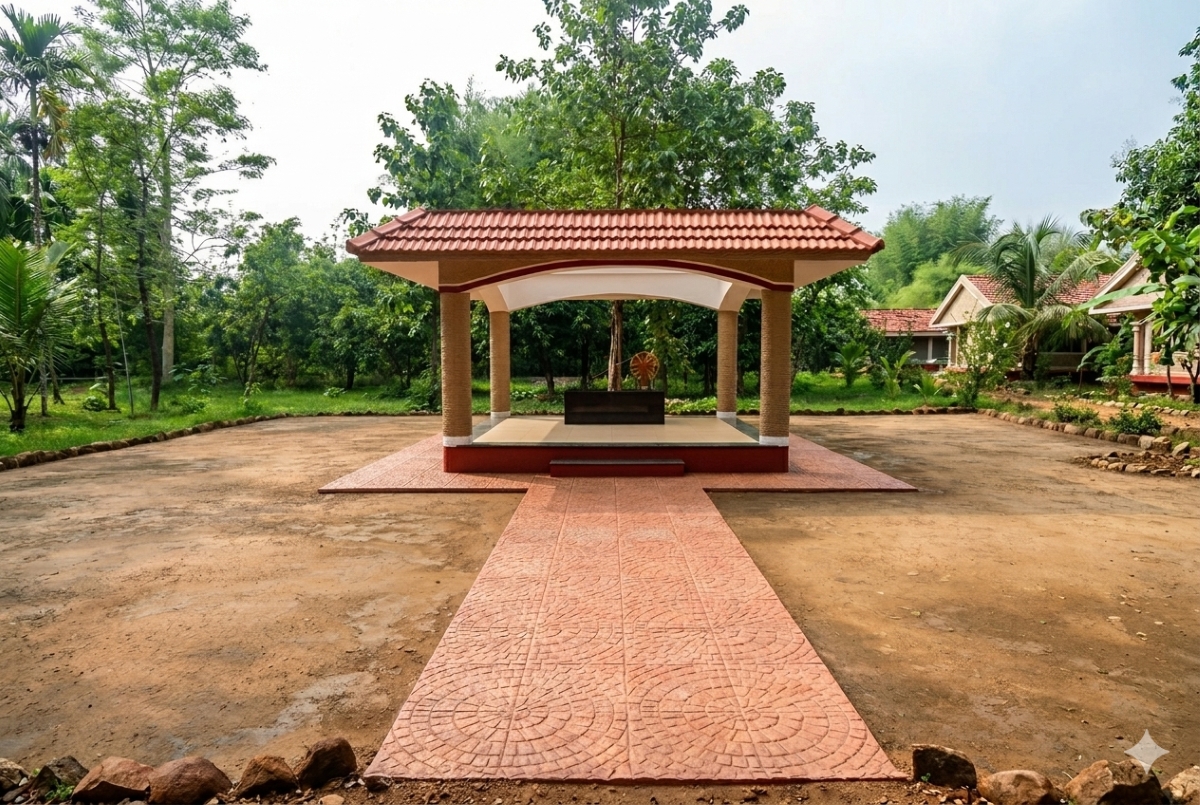
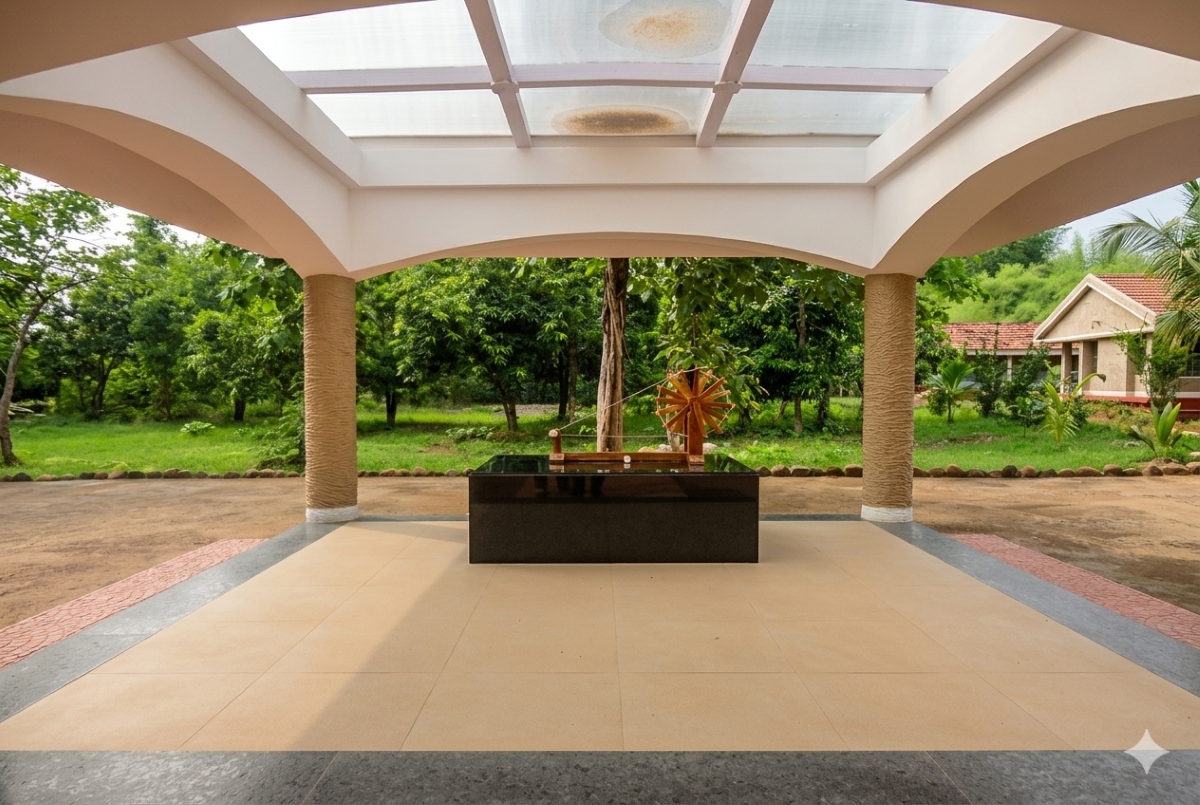
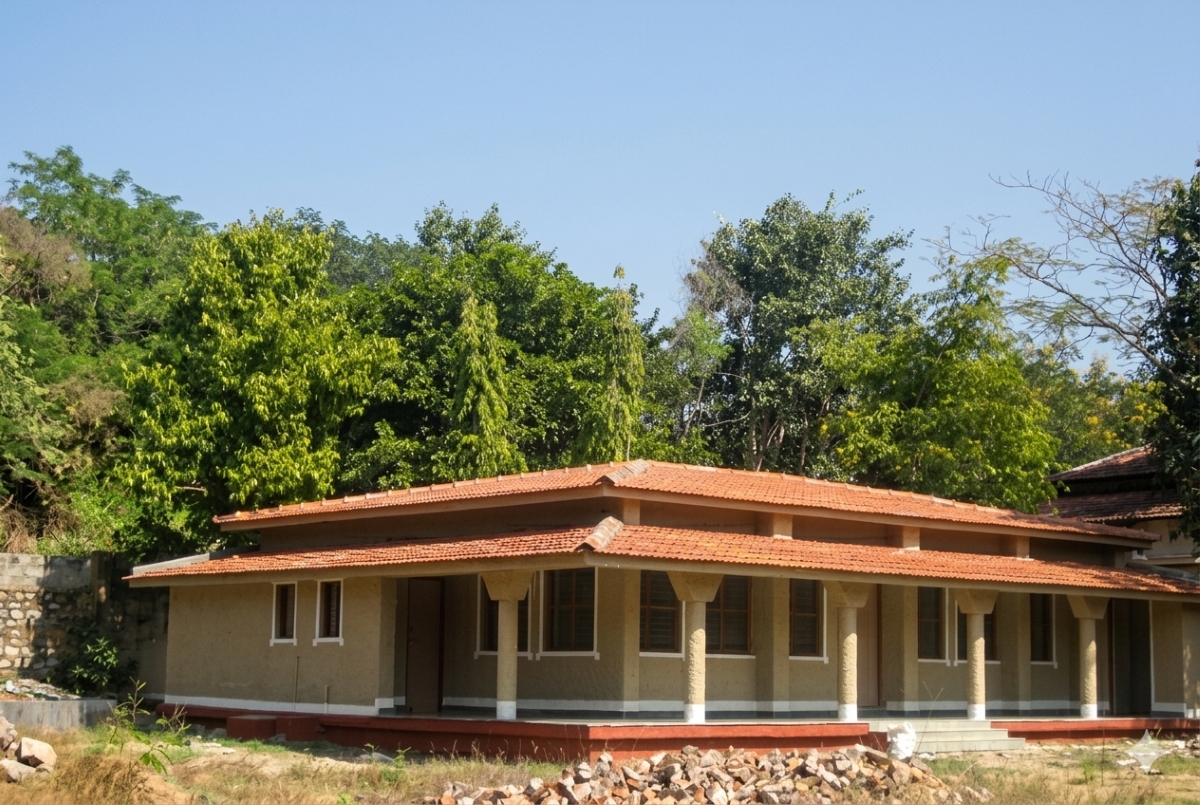
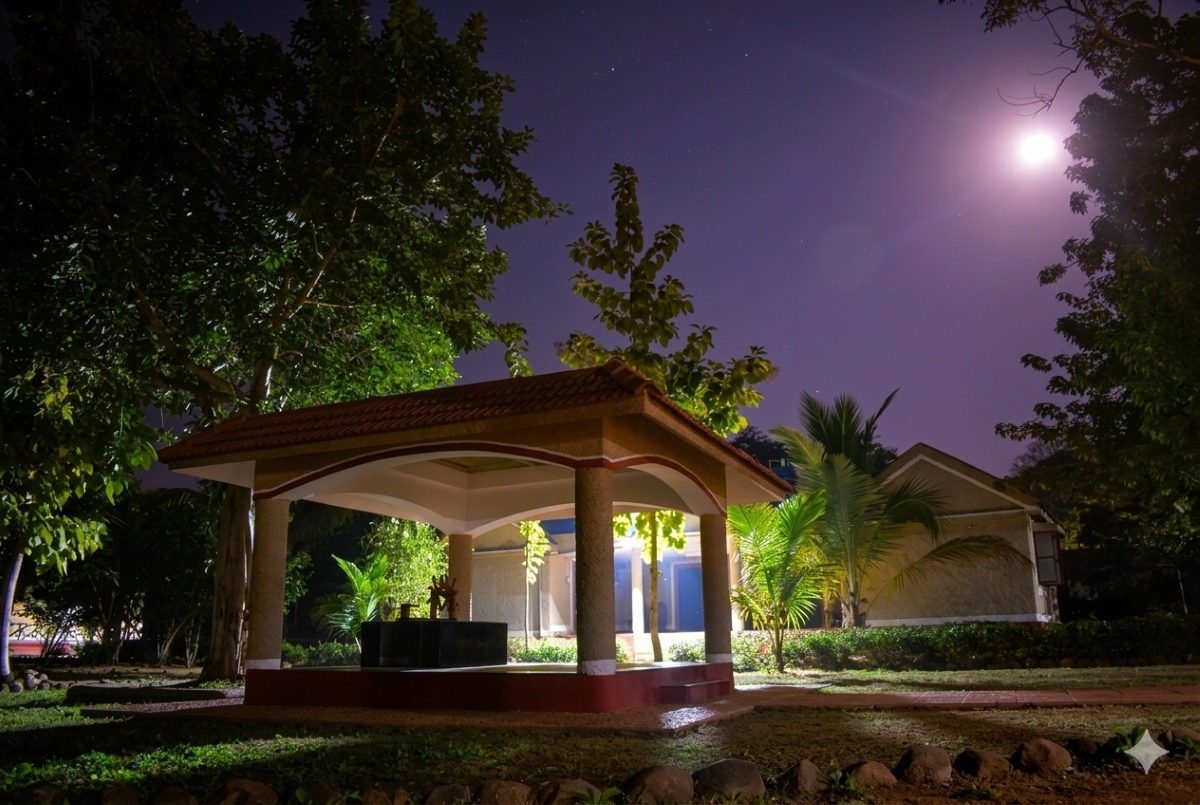
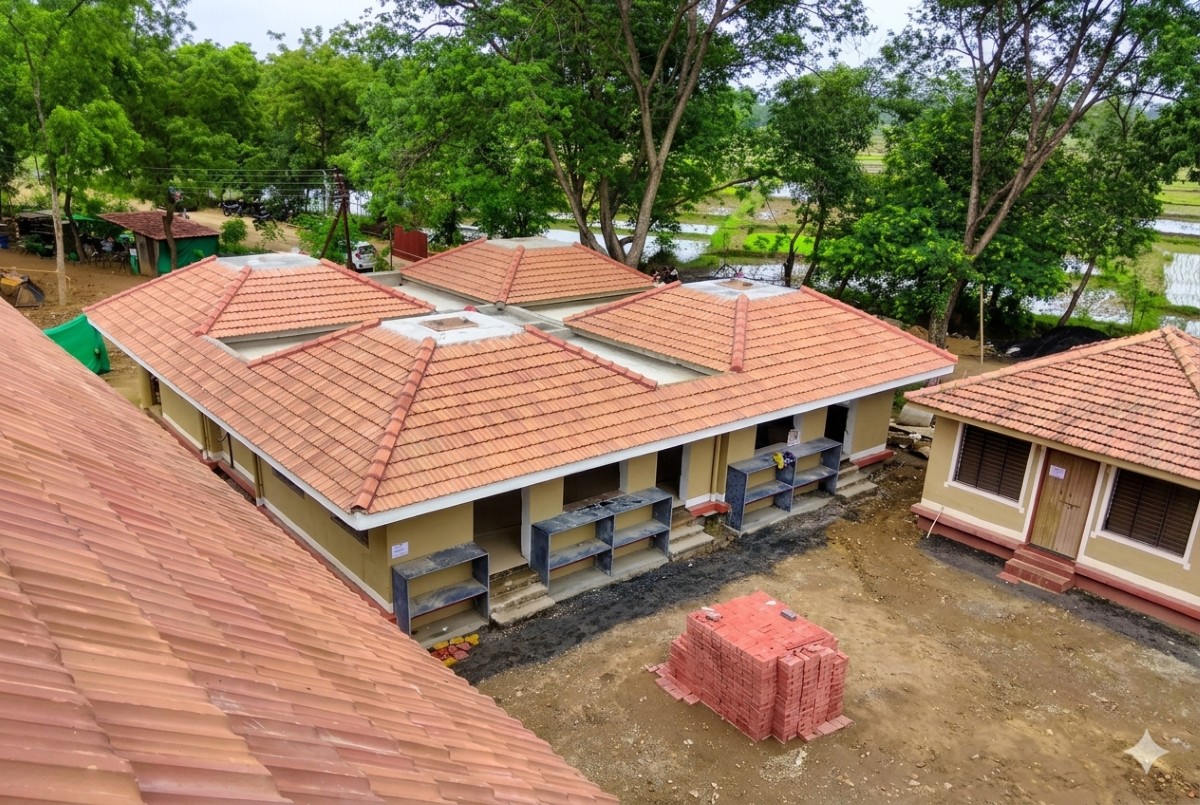
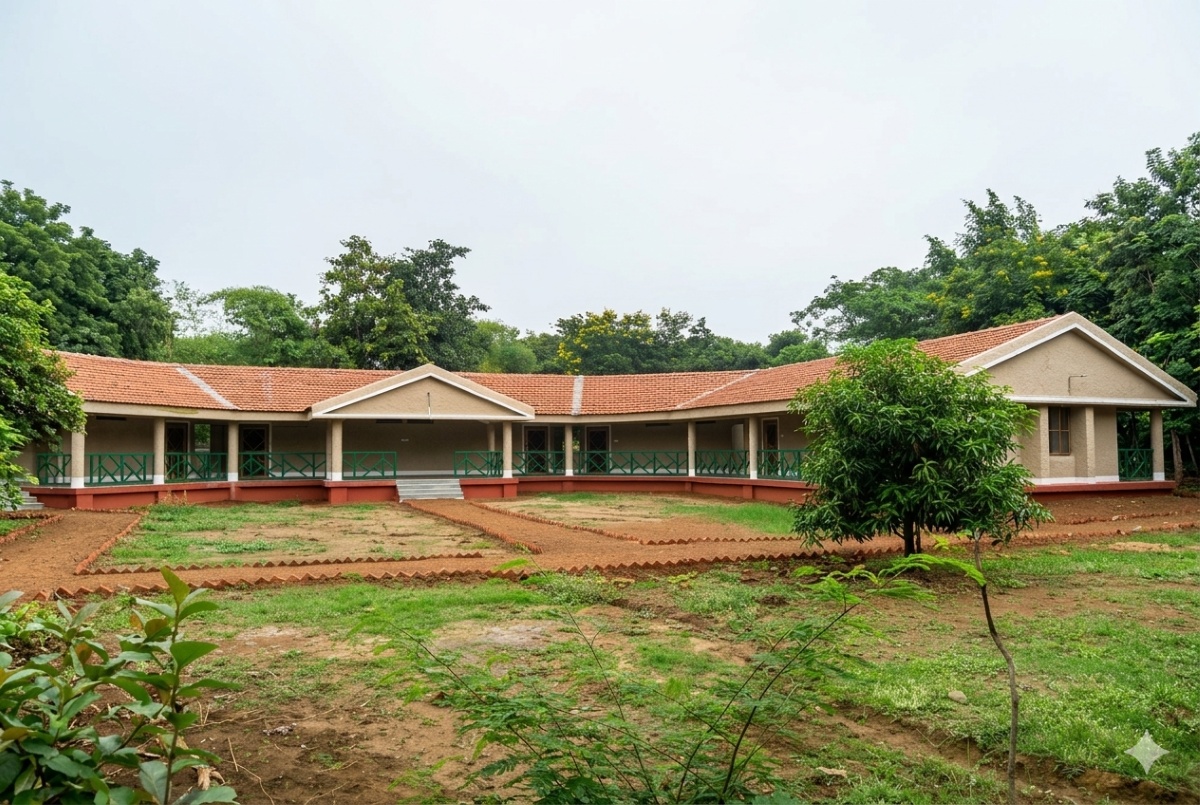
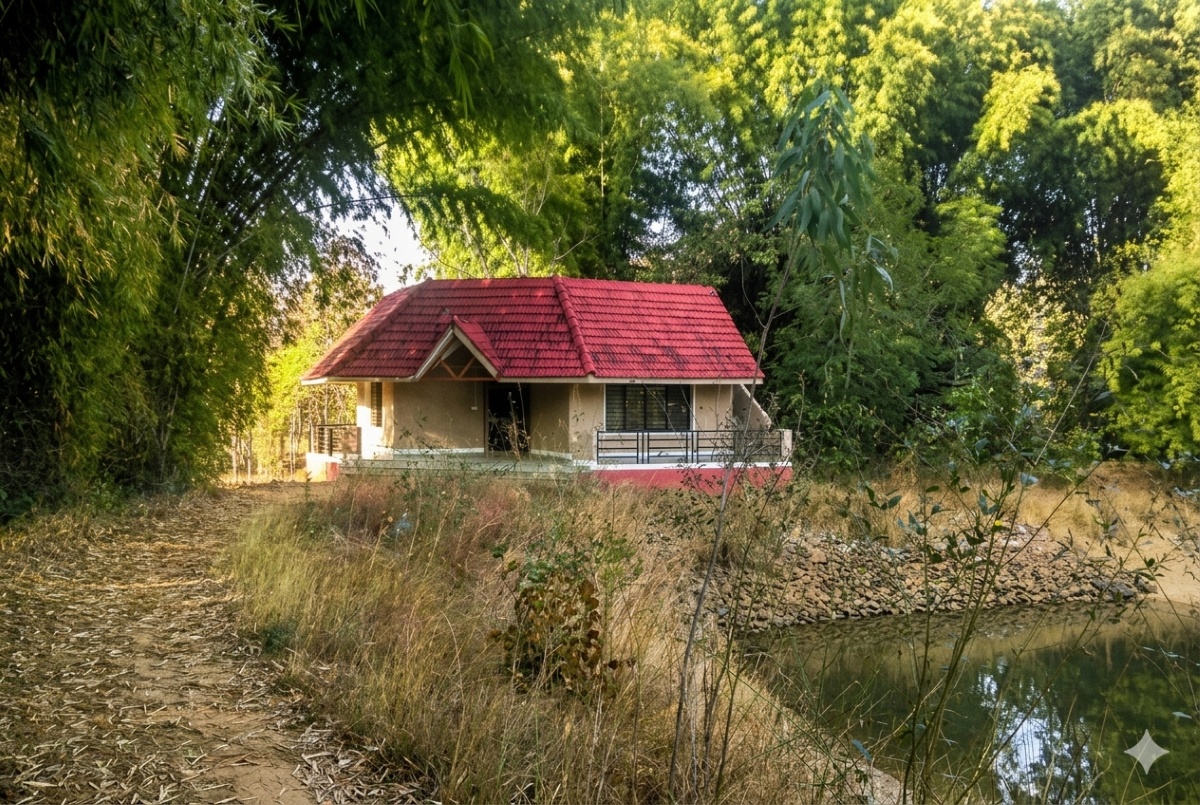
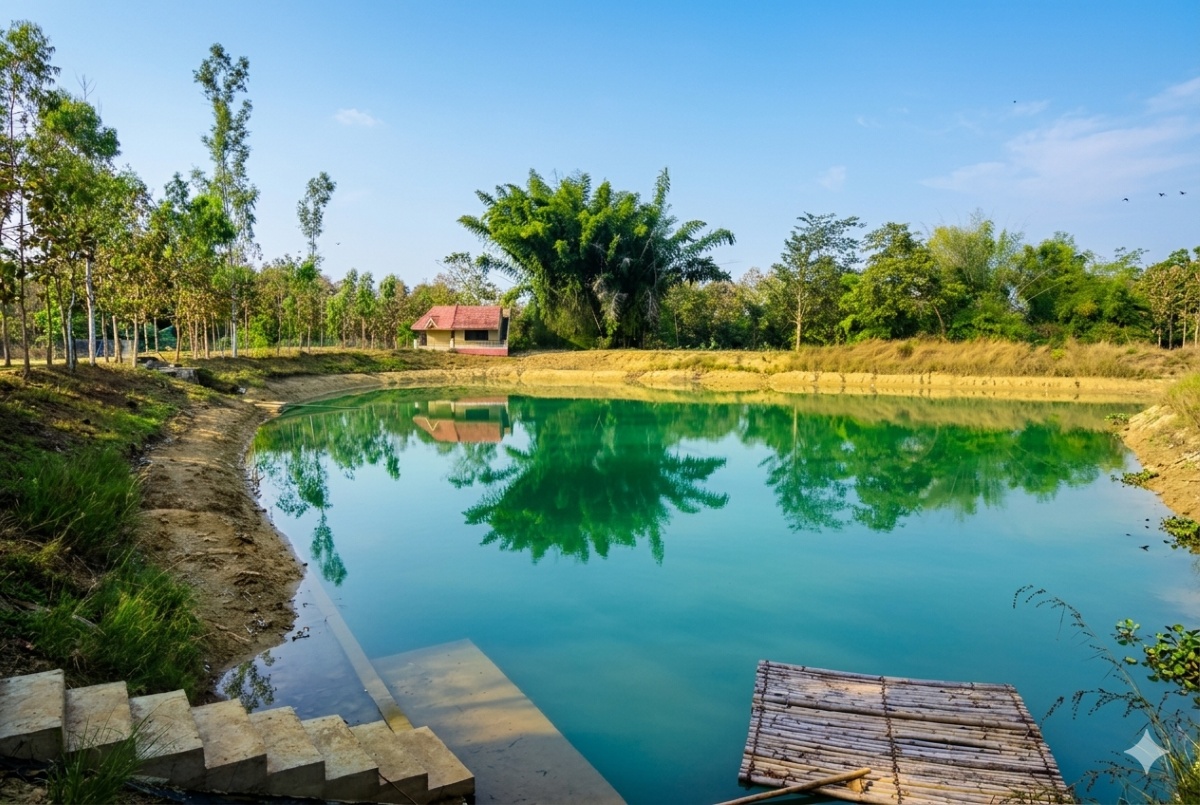
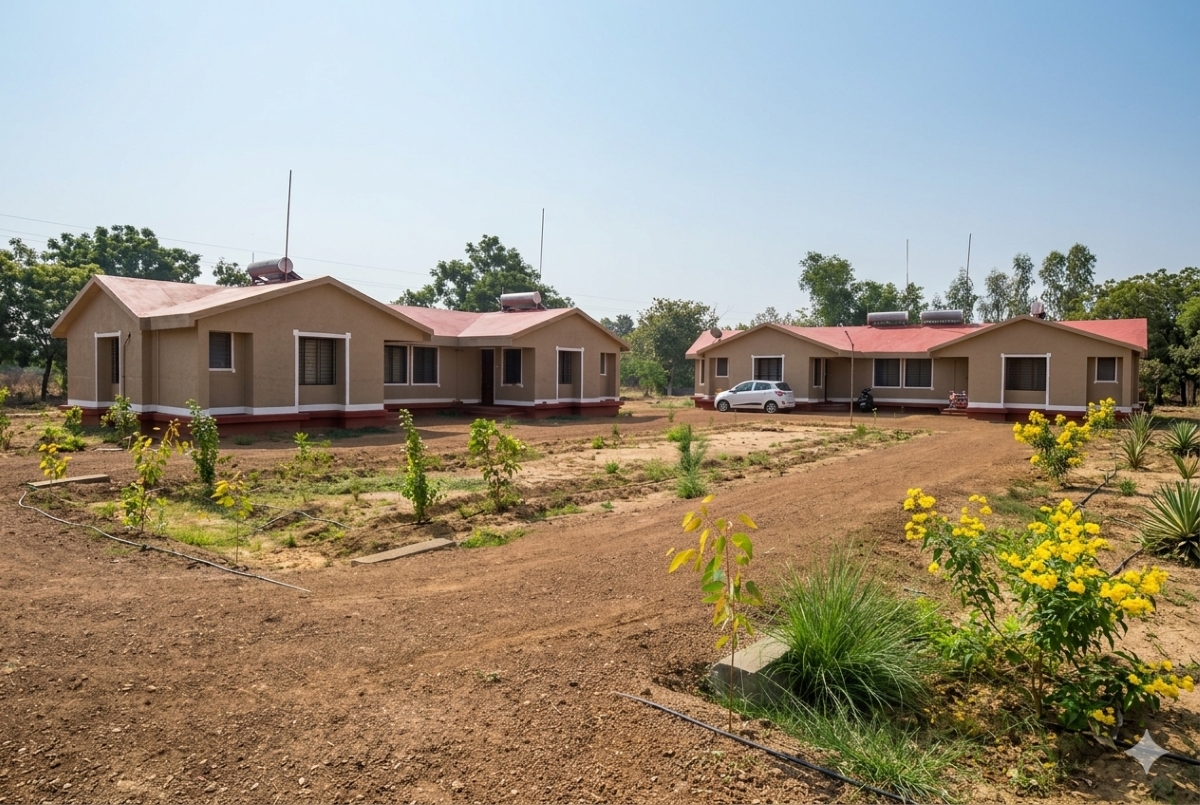
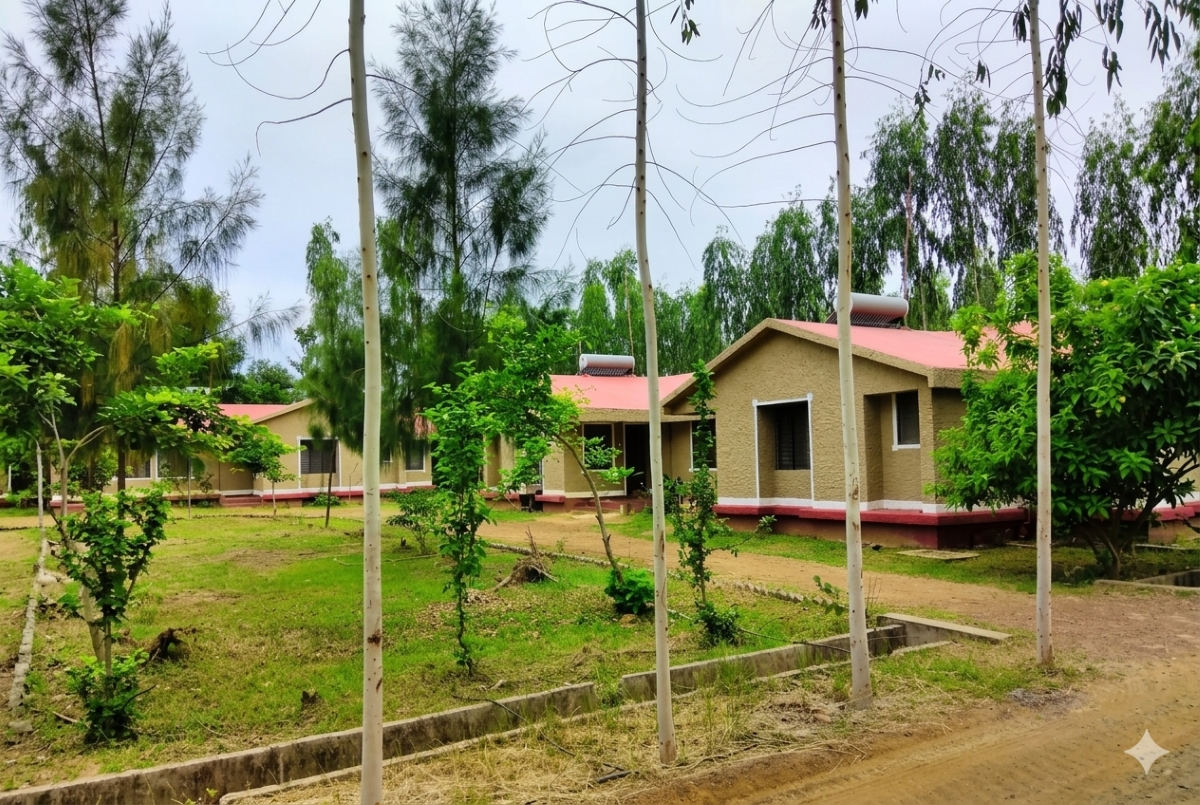
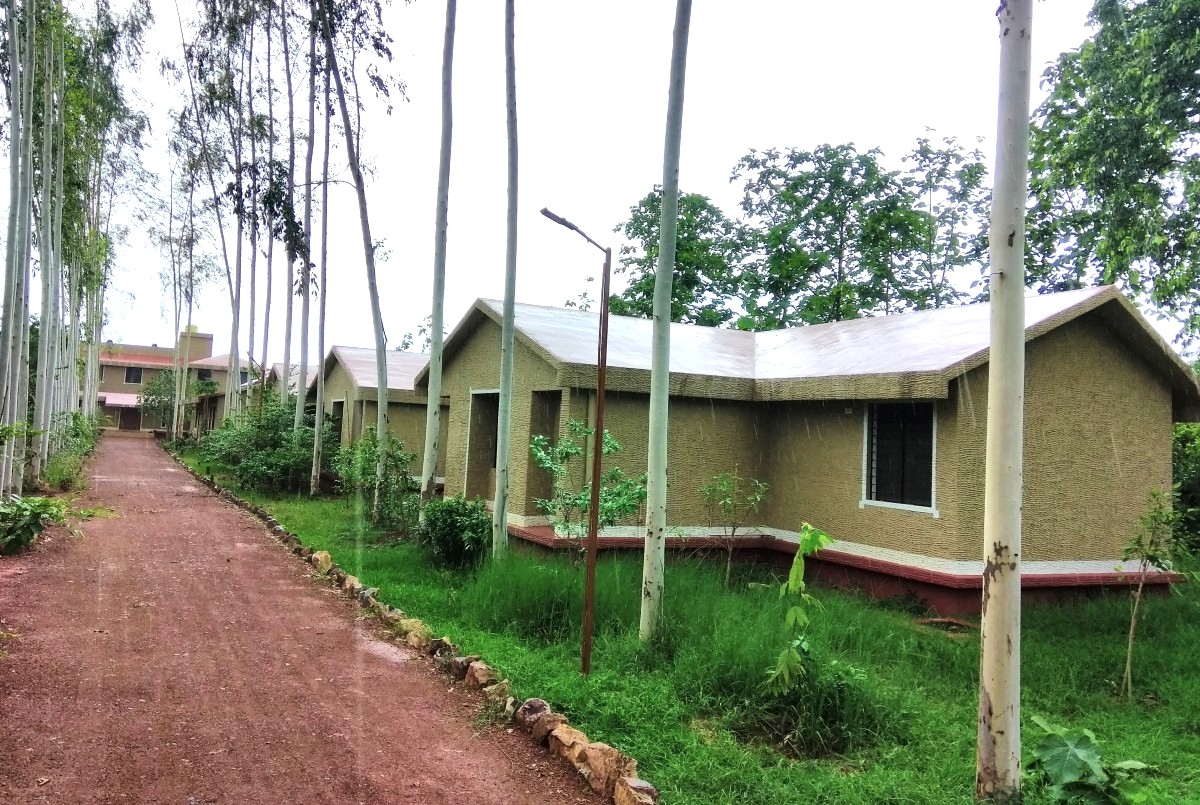
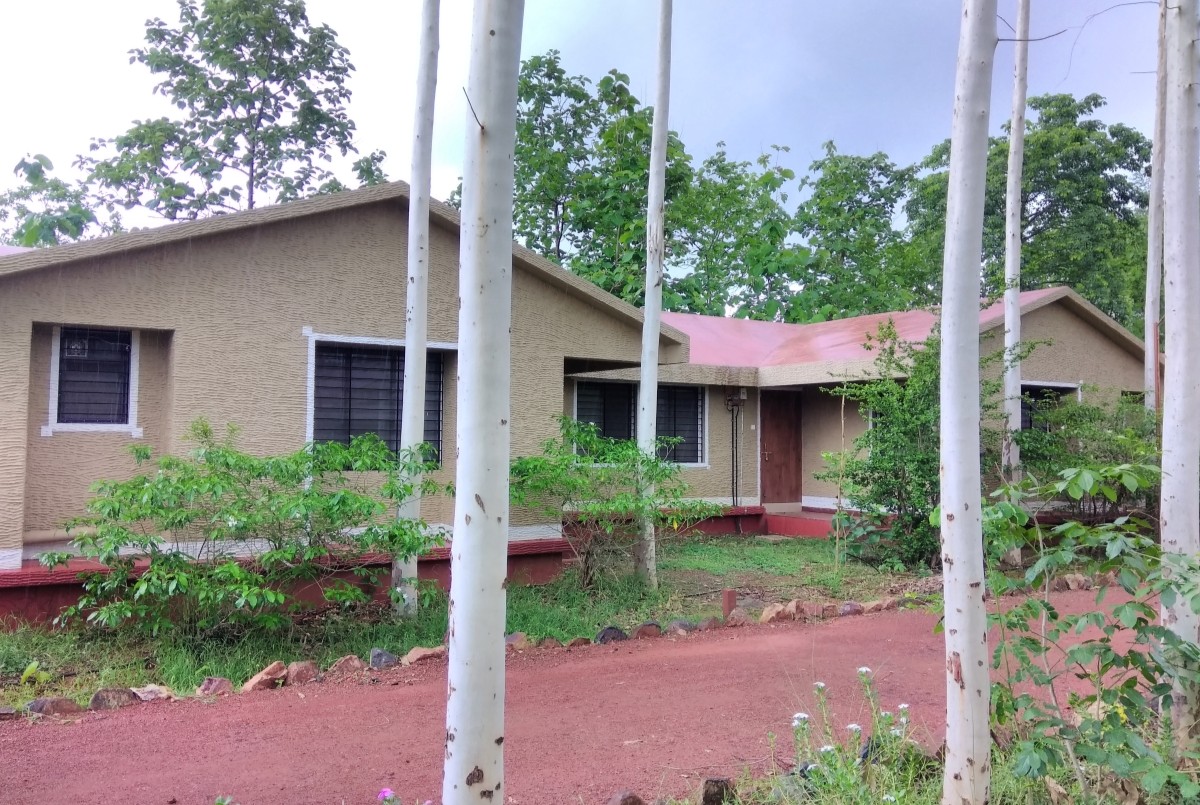
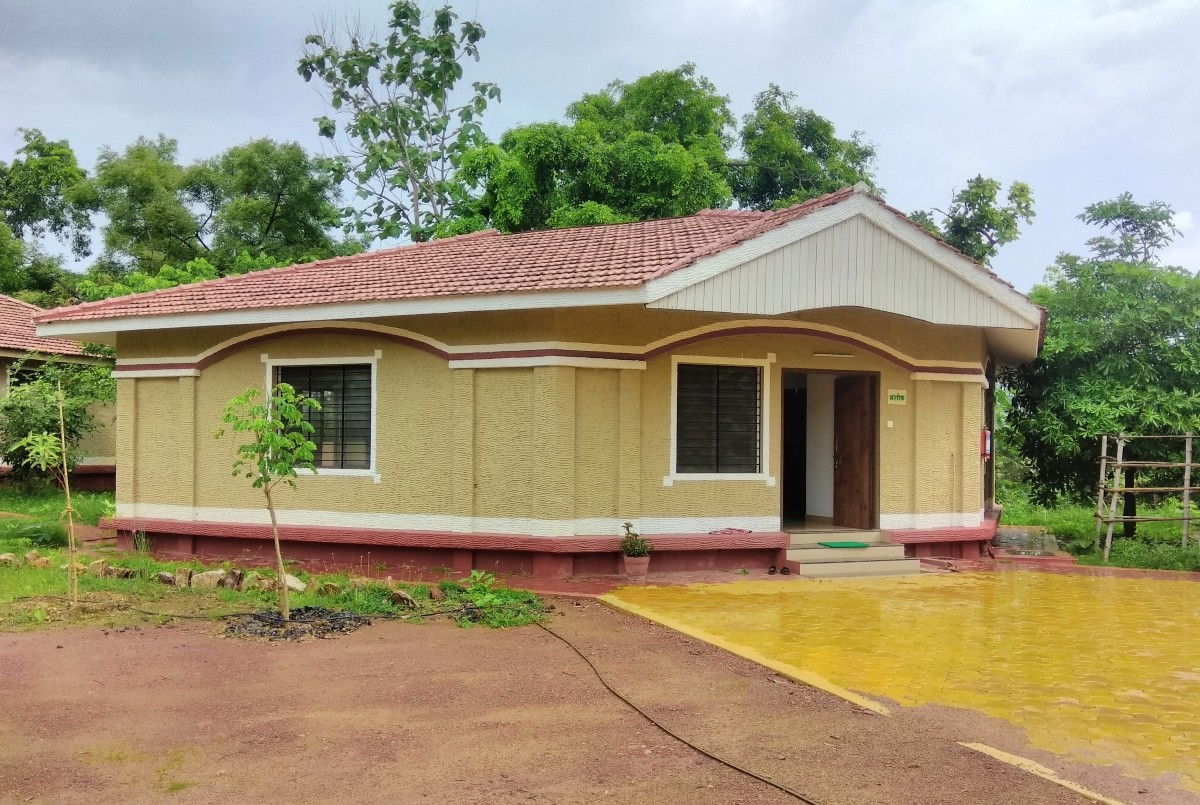
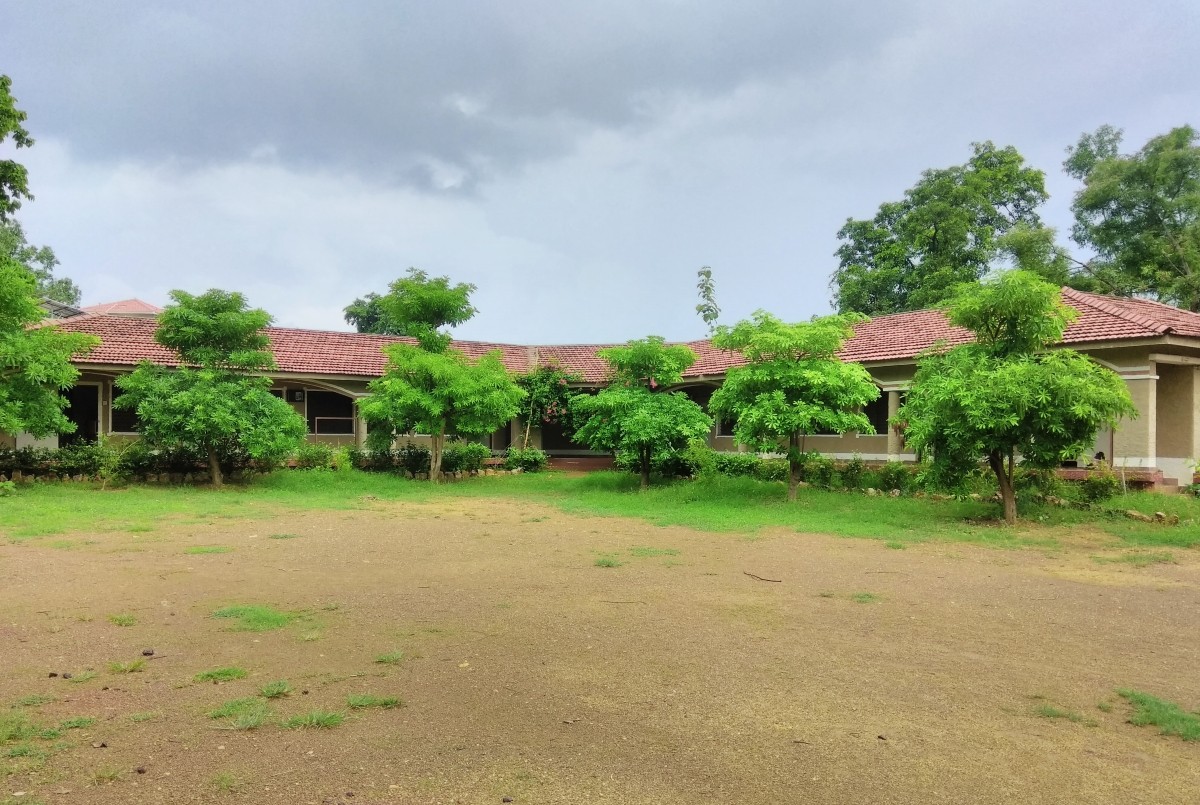
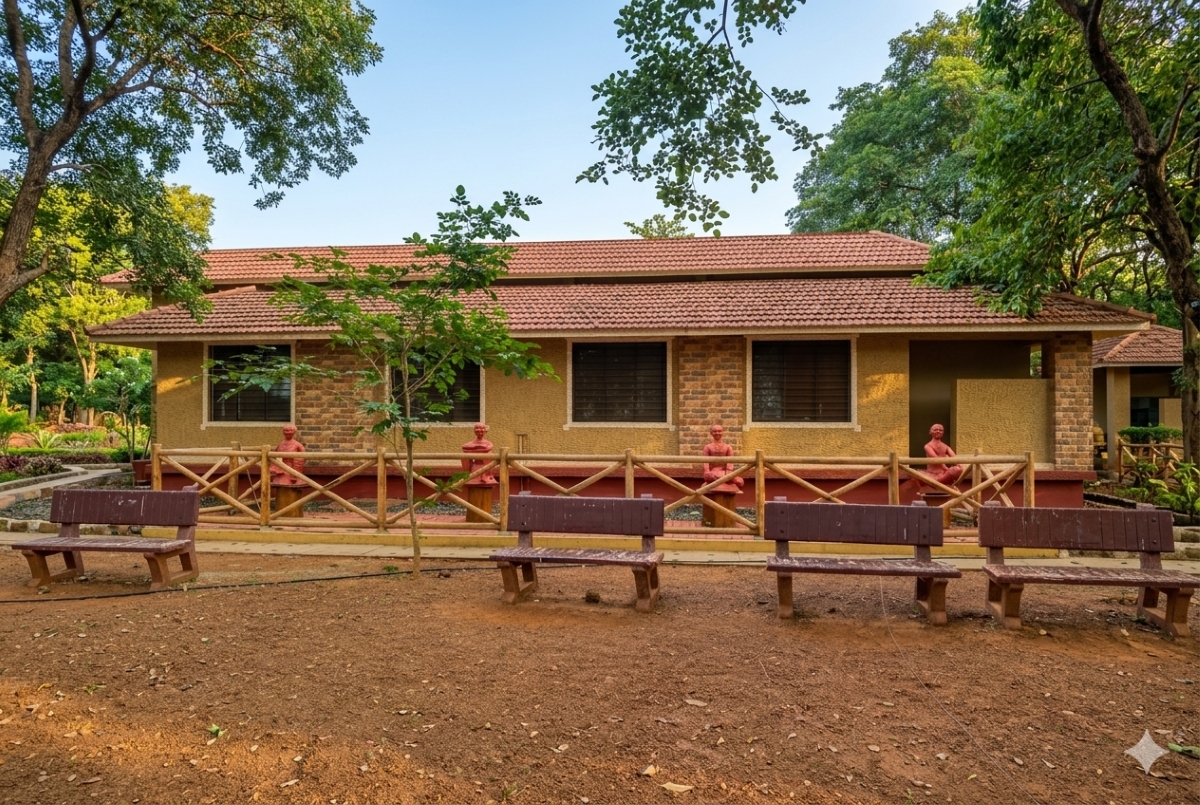
The SEARCH (Society for Education, Action and Research in Community Health) hospital at Gadchiroli stands as a unique example of architecture driven by empathy, cultural understanding, and community needs. Located in a remote tribal region, this healthcare facility is thoughtfully designed to serve rural and tribal populations who are not accustomed to urban environments or large, complex buildings.
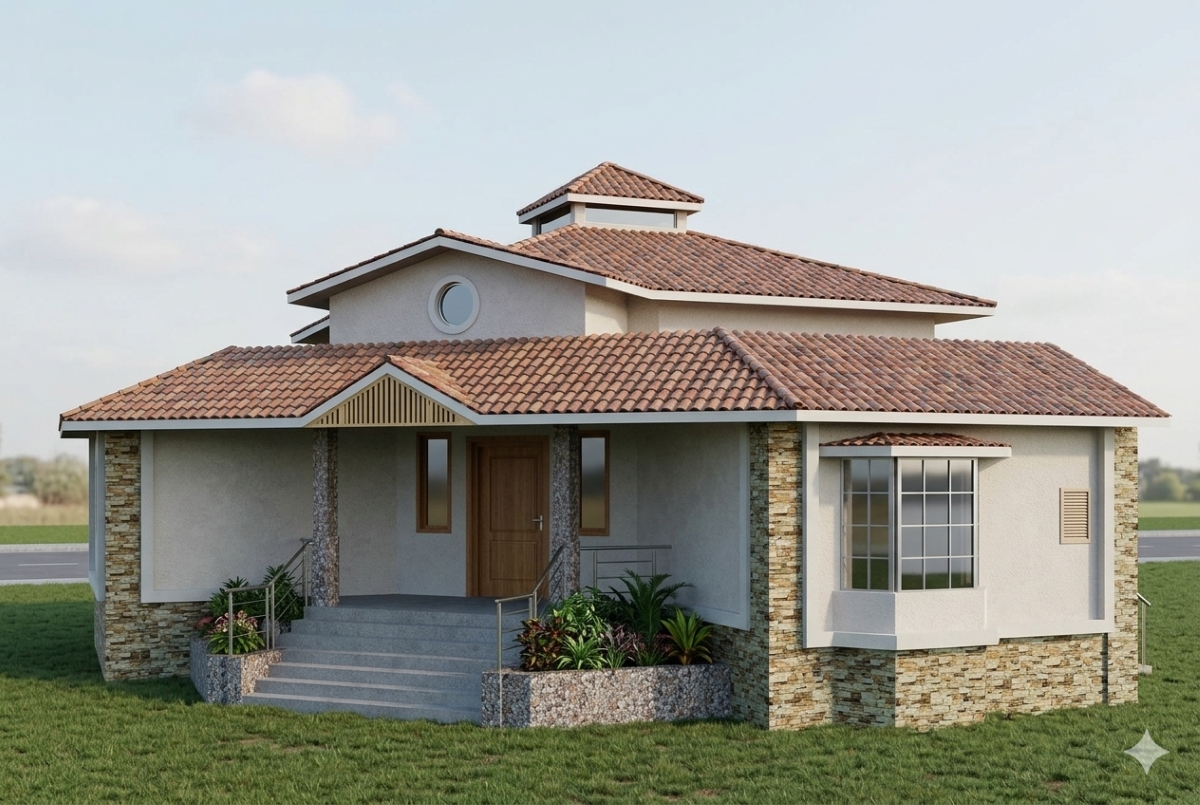
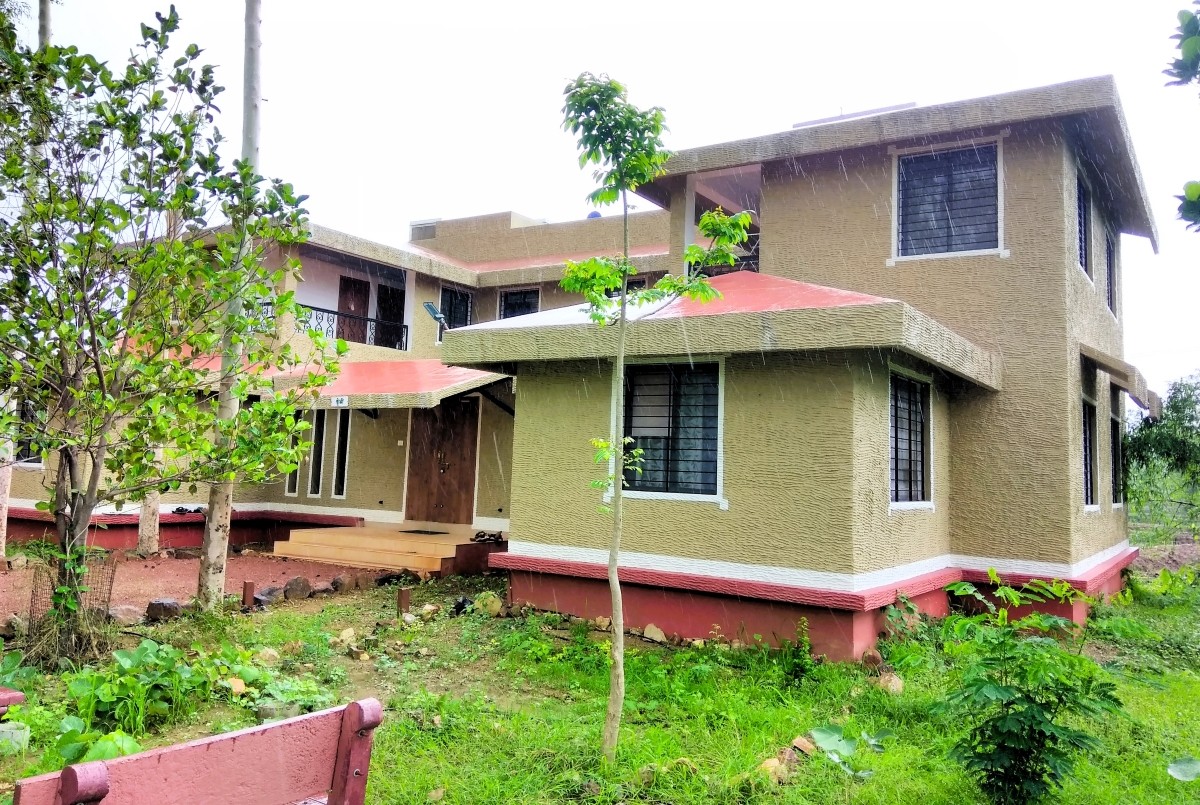
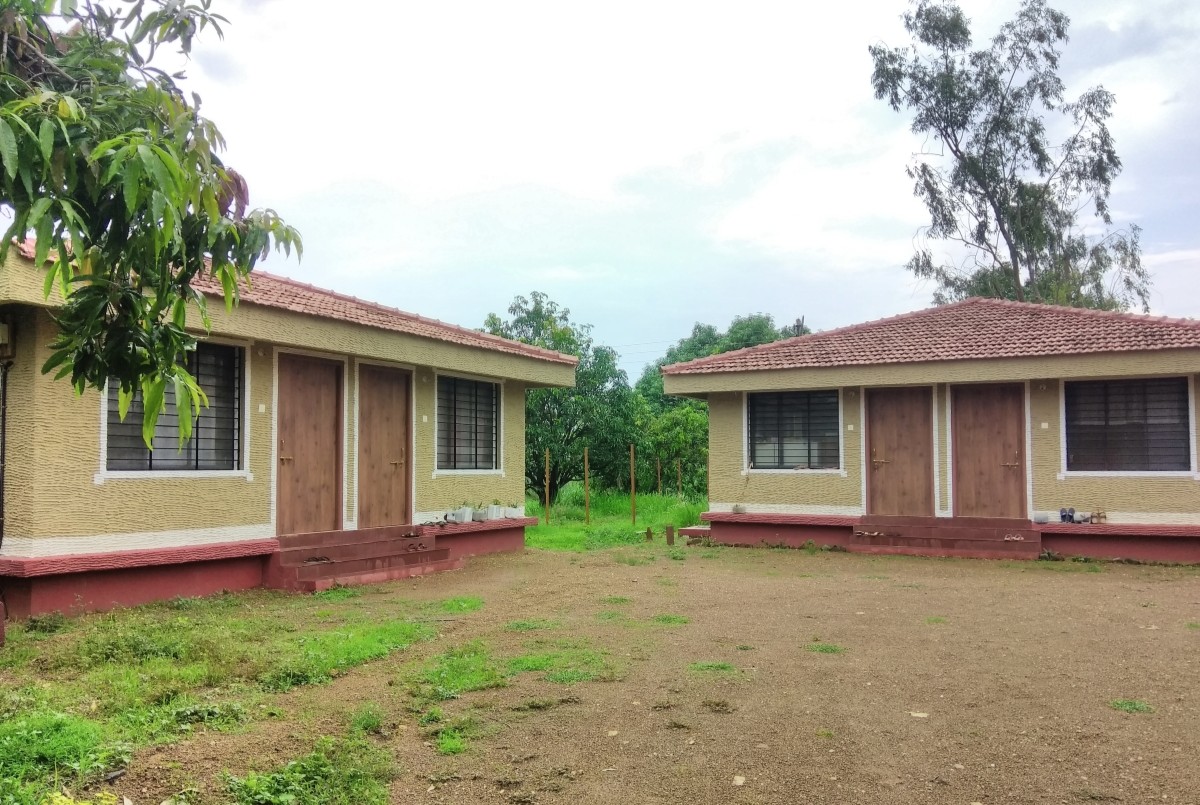
Understanding their lifestyle and comfort, the entire campus has been developed as a ground-level (non high-rise) structure, eliminating the fear and unfamiliarity associated with multi-storey buildings. The architecture reflects local vernacular design, with cottage-style units, tiled roofs, and hand-finished surfaces that resemble traditional village homes. This approach ensures that patients and their families feel a sense of belonging, comfort, and familiarity—making the hospital environment welcoming rather than intimidating.
The design also considers the social fabric of tribal communities, where patients are rarely alone and are accompanied by family members. Special provisions have been made within patient rooms to accommodate attendants, allowing them to stay comfortably alongside the patient. Facilities such as a community-style kitchen and cottage-inspired canteen enable families to prepare their own meals, respecting their cultural preferences and habits.

Padma Shri Dr. Abhay Bang and Padma Shri Dr. Rani Bang are internationally acclaimed physician-researchers and social reformers whose lifelong mission has been to improve the health and well-being of rural and tribal communities. Through SEARCH (Society for Education, Action and Research in Community Health), they have pioneered community-based healthcare models that have transformed the lives of thousands in the remote Gadchiroli district.
Their groundbreaking research in maternal and child health, newborn care, tribal health, nutrition, infectious diseases, mental health, and community medicine has gained global recognition and has significantly influenced public health policies in India and internationally. Their innovative healthcare practices have demonstrated that quality medical care can be made accessible even in the most underserved regions.
Beyond research, Dr. Abhay Bang and Dr. Rani Bang have dedicated themselves to empowering tribal communities through healthcare services, medical education, women's health initiatives, community participation, and preventive healthcare programs. Their work extends far beyond treating illnesses—it focuses on building healthier communities through awareness, education, and sustainable development.
The SEARCH campus is a reflection of this philosophy. Every structure has been thoughtfully designed to create an environment where tribal families feel comfortable, respected, and welcomed. The architecture complements their vision of delivering healthcare with compassion, dignity, and cultural sensitivity, making SEARCH not just a hospital but a model for community-centered healthcare.
A notable feature of the campus is the Aquatherapy Center, a rare and advanced facility for treating neurological disorders and paralysis through water-based therapy. Such a facility is extremely limited in India and is remarkable to be established in a remote region like Gadchiroli.
The SEARCH campus is not just a hospital—it is a carefully crafted healing environment, where architecture bridges the gap between modern healthcare and traditional living. Designed and developed by Pandharipande & Associates, this project reflects a deep commitment to creating meaningful spaces that truly serve people and communities.
RELATED PROJECTS